How a listing ends up here
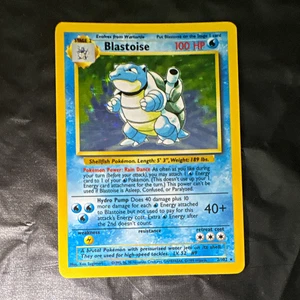
Every listing starts as a live eBay result for a card we track, and most never make it. First the title has to be the card itself: the right number, the right set, English, one card, not a lot or a “pick your card” listing, and the same printing. A 1st Edition Charizard is never compared with Unlimited sales, a Shadowless copy never with either, and a reverse holo never borrows the holo’s price.
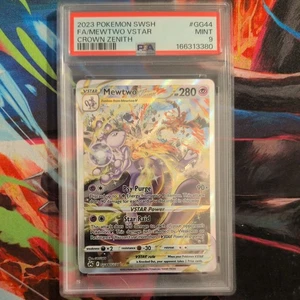
Then the grade. Raw cards and slabs are separate markets, so a raw copy is only held against raw sales and a slab only against the same grader and grade: a PSA 9 is compared with PSA 9 sales, never with a PSA 10. Qualifier grades and Pristine or Black Label tens are left out, because they sell differently from the plain grade.
Last comes the evidence. We take the sold listings of that exact copy from the last 90 days, drop the ones that look like another card or a lot, and use a trimmed median. It needs at least 4 sales, the newest from the last 45 days, and prices that roughly agree with each other. Where the wider sales record has its own median for that copy, ours has to agree with it, and we use whichever is lower. Thin or messy evidence means a listing shows on its card page as a copy for sale, not as a deal.
How big a saving has to be
A deal has to clear two bars at once, so a few cents off a cheap card never counts. Raw cards that usually sell under $100 need to be at least 20% and $10 under. Raw cards worth $100 or more need 15% and $25, and slabs need 15% and $25. Anything that looks more than 50% off goes to a person first: at that depth it is more often a mislabelled card than a bargain.
Cards worth $1,000 or more need stronger evidence, at least 8 comparable sales, and a seller whose feedback we have checked. A price estimate that isn’t built from sales never makes a listing a deal on its own.
When we show a saving, and when we don’t
The saving is worked out on what the card costs to your door: the price plus the shipping the listing states. If the shipping line is an estimate, says “varies” or is quoted in another currency, we don’t show a delivered saving at all. Tax, import charges and any coupon eBay offers you at checkout aren’t included, and we say so on each card.
Condition matters for raw cards. When a seller picks eBay’s own condition for an ungraded card, we compare with sales in that condition. When the listing doesn’t say, we assume the worst we can reasonably assume and compare with played copies, so a card that turns out to be near mint is a better deal than shown, never a worse one.
Why deals come and go
A good price doesn’t last long. Each deal shows when we last confirmed its price and that it was still for sale, and it drops off as soon as that check is more than 12 hours old, the price goes up, or the listing ends. A price cut keeps it and gets a badge. Even so, a card can sell in the minutes after we checked, so if it has gone when you click, that is why.
Buying on eBay UK
UK deals are listings on eBay UK, priced in pounds with UK postage. Our sales record is built from US sales, so for UK listings the reference is those same sales converted at the day’s exchange rate, and each UK card says so. Listings posted from outside the UK are marked, because import charges may apply.
Before you press buy
- Open every photo. For a raw card, look at the corners, the edges and the back; for a slab, check the label matches the card and the cert number looks right on the grader’s site.
- Read the description for anything the title leaves out: damage, a missing stamp, a proxy, a “similar card” photo.
- Look at the seller’s feedback on cards like this one, not only their overall score.
- If something doesn’t match, tap “Wrong card or printing?” on the deal. We take it off every page while we check.
Auctions are on their own page
A current bid under the usual price isn’t a discount: the auction hasn’t finished. So auctions never appear here. If you like bidding, auctions ending soon lists chase cards ending in the next day, labelled as bids.
Questions collectors ask
Are these the cheapest copies on eBay?
Not always. They are copies priced well under recent sales of the same card and grade, with shipping counted and the listing checked recently. A cheaper copy can be damaged, the wrong printing, or missing a shipping price, which is exactly what we leave out.
Does a Best Offer listing count at the lower price I might get?
No. We only use the Buy It Now price shown. If the seller accepts less, that is a bonus, not part of the saving we show.
Why is a card I’m watching not a deal when it looks cheap?
Usually the sales behind it are too few or too spread out, the shipping isn’t stated, or the condition isn’t clear on an expensive raw card. It still shows on the card page as a copy for sale.
Can I get told when a copy drops under my price?
Yes. Sign in, pick the printing and grade on your watchlist and set a target. “Alert me under this price” on a deal sets it for that exact copy in one tap.
Do you get paid when I buy?
UltraBall may earn a commission from eBay on purchases through these links. It doesn’t change which listings qualify or how they are ordered.
More on how we price cards: our methodology.