What makes a Pokémon card worth money
Five things move a card's price. Nearly every valuable card on this page has at least three of them, and a card with only one is usually a few dollars at best. There's a longer version in what makes a Pokémon card valuable.
Rarity and print run
Cards that were hard to pull from packs, or printed in small numbers, are worth more. The rarity is printed on the card itself: a circle for common, a diamond for uncommon, a star for rare, with special rarities bolted on over the years. The usual suspects are holo rares in older sets, secret rares numbered above the set total, and modern special illustration rares. Every symbol is decoded in our Pokémon card rarity guide, and how to tell if a Pokémon card is rare covers the quick checks.
Print run counts too, and it cuts in a direction people don't expect. Sets that sold badly at the time, like the last Wizards of the Coast sets in 2002 and 2003, have far fewer surviving copies than the huge early sets. That's why a few commons from those late sets now sell for more than Base Set holos.
The printing
One card can exist in several printings at very different prices. On early Wizards sets, the 1st Edition printing carries a stamp and sells for far more than the unlimited one, and Base Set has a Shadowless printing that sits between the two. The three are compared side by side in 1st Edition vs Shadowless vs unlimited. Modern cards come as holo, non-holo and reverse holo, and some carry promo stamps or alternate artwork. Price the exact printing in your hand, not the one you hope it is.
Condition
For older cards, condition is the biggest single factor. A near-mint vintage holo can sell for many times the price of a played one, and a PSA 10 can sell for many times a PSA 9. PSA 10 Pokémon cards explains why the top grade carries that premium, the PSA grading scale shows what separates each grade, and PSA grading cost covers when sending a card in actually pays.
The Pokémon
Charizard is the famous example, but it isn't the only one. Pikachu, Umbreon and the other Eeveelutions, Gengar, Rayquaza, Lugia, Mew and Mewtwo keep selling for more than other Pokémon of the same rarity, set after set. The Charizard, Umbreon and Gengar rankings show how far that pull goes.
Artwork and demand
Since 2019, full-art and alternate-art cards have become the main chase in modern sets, and the best-loved illustrations sell for far more than other cards at the same rarity. Demand also moves with events. Anniversaries, new video games and a set's reprint history all push prices around, which is why a card can double or halve in a year without anything happening to the card.
A quick way to sort a collection
With a big stack and limited patience, sort in this order:
- Pull out every card with a shiny (holo) picture, a gold border, full-bleed artwork, or a star, "ex", "EX", "GX", "V", "VMAX", "VSTAR" or "LV.X" in the name. These are the higher rarities.
- Check the bottom corner for a card number higher than the set total, such as 105/102. Those are secret rares.
- Look for a small black "Edition 1" stamp to the left under the artwork on cards from 1999 to 2002.
- Set aside anything from the Neo, Expedition, Aquapolis and Skyridge sets, whatever its rarity. The three e-Card sets have a strip of e-Reader dot code along one edge, so they're easy to spot.
- Check promo cards marked with a black star and "PROMO".
What's left is mostly modern commons, uncommons and Energy, and it's usually bulk. Look up the cards you pulled out, oldest first. If you'd like a slower walk through the same process, how to tell if Pokémon cards are worth money goes card by card.
Wizards of the Coast era (1999–2003)
Wizards of the Coast published the English card game from the 1999 Base Set through Skyridge in 2003. These are the cards people mean when they ask about old Pokémon cards worth money, and the Wizards of the Coast era page lists every set with prices.
For this era the money sits in three places: holo rares, 1st Edition printings, and nearly everything from the last few sets. Most commons and uncommons from the first sets are worth little unless they're 1st Edition or in gem condition.
Base Set (1999)
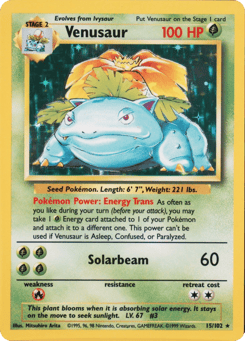
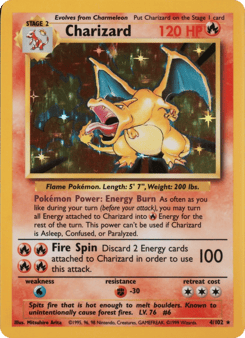
Base Set's 16 holo rares are the most recognized Pokémon cards ever printed, and Charizard (Base Set) leads them. Every Base Set holo exists in three printings: 1st Edition, Shadowless and unlimited. The 1st Edition Charizard and the Shadowless Charizard have their own pages, and the gap between them and the unlimited card is large at every grade.
Telling the printings apart is the first job with any Base Set holo. A 1st Edition card has the black stamp to the left under the artwork. A Shadowless card has no stamp, and no drop shadow along the right side of the art box. An unlimited card has the shadow. Because the two early printings carry such a big premium, check this before you price anything.
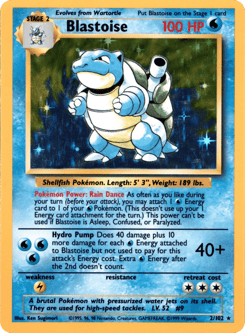
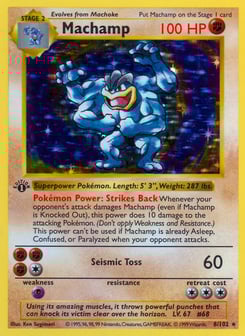
The other holos earn their keep too. Blastoise (Base Set) sells for about $158 raw in near-mint condition, and Machamp (Base Set) for about $72.91. Machamp is an odd one: it came in the 2-player starter set with a 1st Edition stamp, so most copies are 1st Edition, and they're much easier to find than any other 1st Edition Base Set holo. Don't get excited about the stamp on that one.
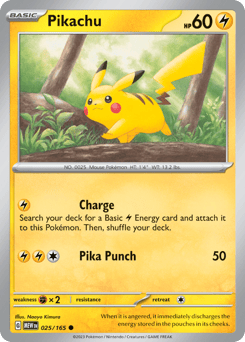
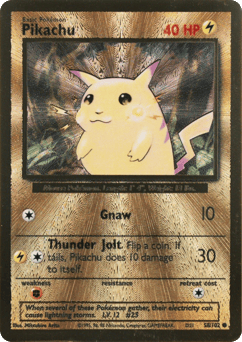
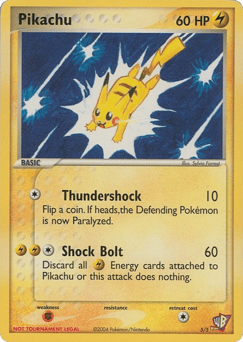
Base Set was printed in enormous numbers, so unlimited non-holos are everywhere. Condition is the exception. A Base Set common in PSA 10 can sell for real money because so few copies came through untouched: Pikachu (Base Set) sells for about $10.90 raw and a good deal more graded. The full checklist is on the Base Set page, and the most valuable Base Set cards puts it in order.
Jungle, Fossil and Team Rocket (1999–2000)
The next three sets work the same way as Base Set. Holo rares carry the value, and 1st Edition copies carry the most of it.
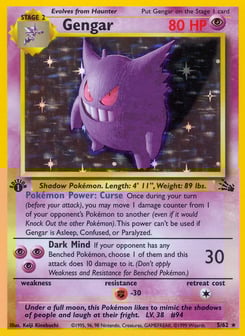
- Gengar (Fossil) from Fossil sells for about $170 raw. Dragonite (Fossil) sells for about $132 raw and about $6,500 as a PSA 10.
- Snorlax (Jungle) is one of the more sought-after holos from Jungle. Plenty of people have a soft spot for Snorlax, and the price reflects it.
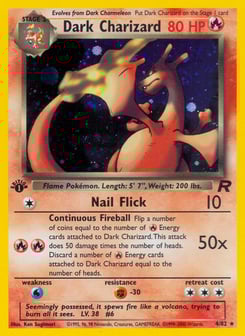
- Dark Charizard (Team Rocket) from Team Rocket sells for about $327 raw. Team Rocket introduced "Dark" Pokémon, and its holos are popular for the artwork alone.
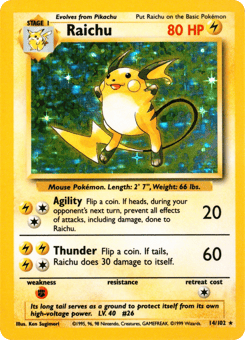
Team Rocket also hid one of the earliest English secret rares. Dark Raichu (Team Rocket), numbered 83 out of 82, sells for about $111 raw and about $325 as a PSA 9. Each set has its own ranking: Jungle, Fossil and Team Rocket.
Gym Heroes and Gym Challenge (2000)
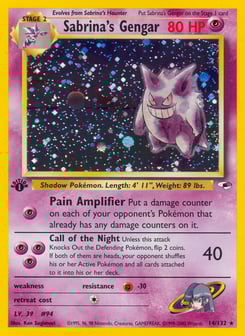
The Gym sets handed Pokémon to the Gym Leaders from the games, so you get Blaine's Charizard and Sabrina's Gengar rather than plain Charizard and Gengar. They sold less well than the first sets and fewer copies survive in good shape, which is why the Gym holos are worth more than most people guess.
Blaine's Charizard (Gym Challenge) sells for about $582 raw, one of the most valuable unlimited Wizards holos there is. Sabrina's Gengar (Gym Heroes) sells for about $499. Even the non-holo rares can pay: Sabrina's Gengar (Gym Challenge) sells for about $209 raw and about $3,477 as a PSA 10. Gym Heroes and Gym Challenge have the full lists, and the Gym Challenge ranking shows where Blaine's Charizard sits against the rest.
Neo sets and Shining Pokémon (2000–2002)
The four Neo sets brought in the second generation of Pokémon, and they hold some of the most valuable Wizards cards of all.
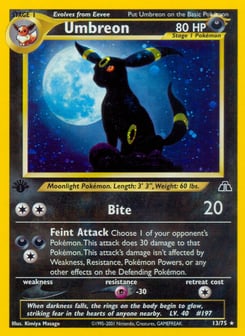
Lugia (Neo Genesis) from Neo Genesis is the standout. It sells for about $598 raw, and a great deal more as a 1st Edition or in high grade. From Neo Discovery, Umbreon (Neo Discovery) sells for about $669 raw and about $26,099 as a PSA 10. That Umbreon is the start of a pattern you'll see in almost every era below.
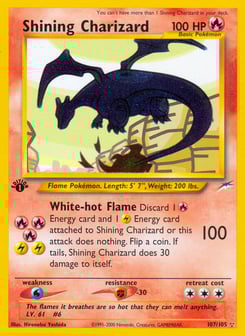
Neo Revelation and Neo Destiny added Shining Pokémon, alternate-color secret rares that were hard to pull and are still some of the most wanted cards from the period. Shining Gyarados (Neo Revelation) sells for about $1,126 raw. Shining Tyranitar (Neo Destiny) sells for about $1,061 raw and about $11,700 as a PSA 10. Shining Charizard (Neo Destiny) is the famous one. Neo Destiny also brought Light and Dark Pokémon, and Dark Gengar (Neo Destiny) is a strong example of the Dark side. The Neo Destiny ranking and Neo Genesis ranking show how deep those two sets go.
Legendary Collection (2002)
Legendary Collection reprinted cards from the first sets, so most of its cards are worth less than the originals. The exception is its reverse holos, which used a firework-pattern foil and were hard to find. The holo rares still sell: Flareon (Legendary Collection) goes for about $90.00 raw and about $2,999 as a PSA 10. See Legendary Collection for the rest.
Expedition, Aquapolis and Skyridge (2002–2003)
The three e-Card sets are the sleeper hit of the Wizards era. They came out as the first wave of Pokémon card sales was fading, far fewer people opened them, and their textured holo pattern shows wear easily. Put those together and you get some of the most valuable cards of any era.
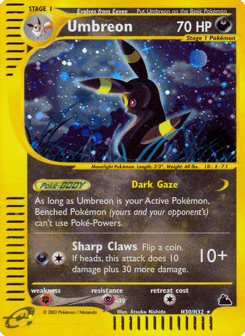
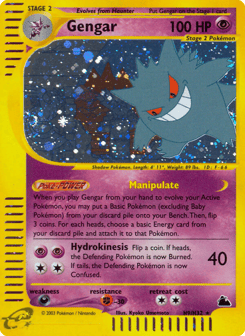
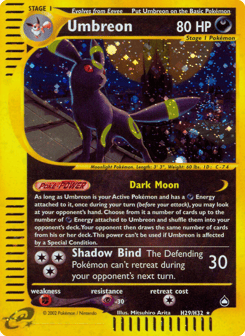
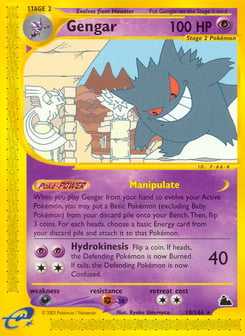
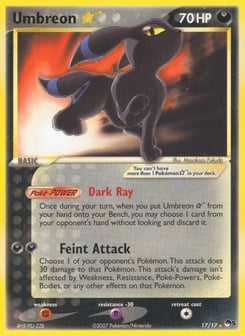
Umbreon (Skyridge) from Skyridge sells for about $4,653 raw and about $100,000 as a PSA 10. Gengar (Skyridge) sells for about $4,440 raw and about $160,000 as a PSA 10. The "H" in those numbers marks the holo subset in Aquapolis and Skyridge. From Aquapolis, Umbreon (Aquapolis) sells for about $1,558 raw.
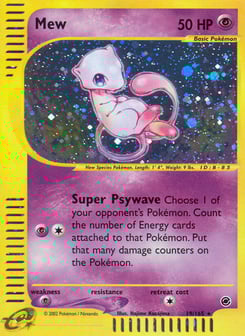
Expedition Base Set is no slouch either: Mew (Expedition Base Set) sells for about $955 raw and about $11,900 as a PSA 9. The Expedition ranking lists the others.
Even plain rares from these sets can be worth money. Gengar (Skyridge), a regular non-holo rare, sells for about $597 raw.
Commons and uncommons worth money
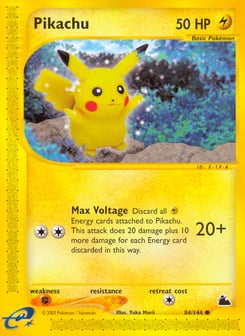
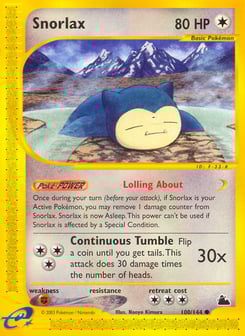
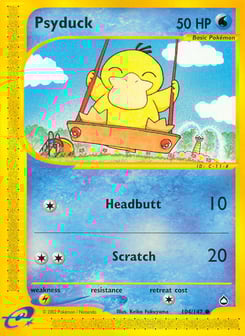
People assume only holos matter. In the e-Card sets that's wrong. Pikachu (Skyridge), a common, sells for about $232 raw and about $887 as a PSA 10. Snorlax (Skyridge), another Skyridge common, sells for about $151. Psyduck (Aquapolis) from Aquapolis sells for about $242. If you have e-Card cards in a binder, check every one of them, not just the shiny ones. The Skyridge and Aquapolis rankings are the place to start.
Wizards promos
Promos handed out at events, in magazines or with products can be worth more than the set cards. Lucky Stadium (Wizards Black Star Promos), from a 1999 Pokémon League stadium event, sells for about $2,131 raw. Rocket's Mewtwo (Best of Game), one of the Best of Game prize cards, sells for about $792 raw and about $25,000 as a PSA 10. The whole run is on the Wizards Black Star Promos page.
What to look for in a Wizards-era collection
A typical Wizards-era pile is mostly played unlimited Base Set, Jungle and Fossil, and that's the least valuable part of it. The cards that surprise people tend to be 1st Edition holos from Team Rocket, the Gym sets and Neo, the Shining Pokémon, and anything at all from Expedition, Aquapolis and Skyridge.
Condition matters more here than in any other era, because clean copies are scarce. The same card can sell for a few dollars played and hundreds in gem mint, so it's worth learning how Pokémon card grading works before you decide what a vintage card is worth. For the top cards of each year, see the 1999, 2000 and 2003 rankings.
EX era (2003–2007)
The EX era began with Ruby & Sapphire in 2003 and ran through Power Keepers in 2007. It gets less attention than the Wizards era but matches it at the top end, and it produced two of the most sought-after rarities in the game. The EX era page has every set.
Pokémon-ex
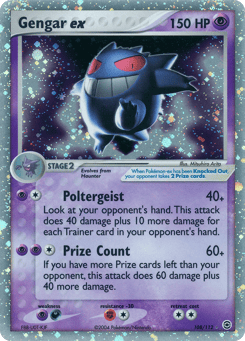
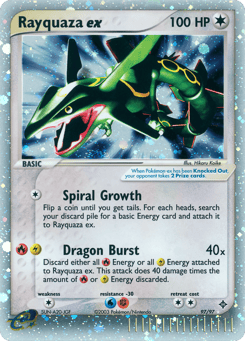
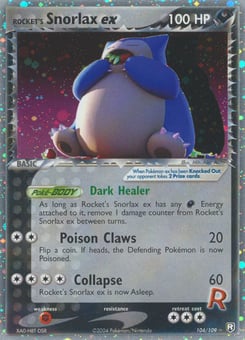
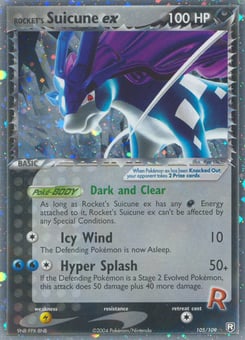
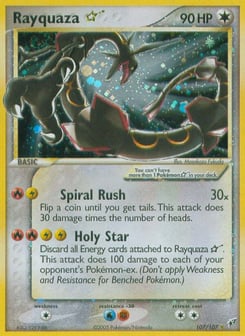
The "ex" cards of this era, written with a lowercase "ex", were the powerful holo cards of each set, and the popular Pokémon among them sell well. Gengar ex (FireRed & LeafGreen) from FireRed & LeafGreen sells for about $2,053 raw and about $95,100 as a PSA 10. Rayquaza ex (Dragon) sells for about $930 raw, and Rocket's Snorlax ex (Team Rocket Returns) for about $948. The Team Rocket Returns ex cards are especially wanted; Rocket's Suicune ex (Team Rocket Returns) sells for about $30,000 as a PSA 10. Every Gengar ex and Rayquaza ex is listed together if you want to compare versions across eras.
Gold Stars
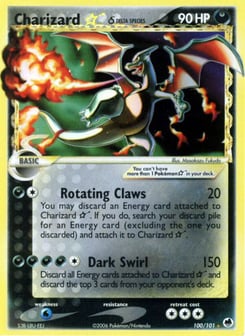
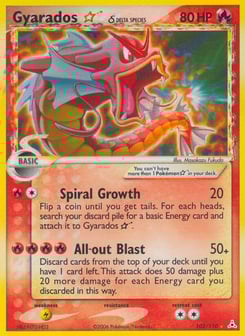
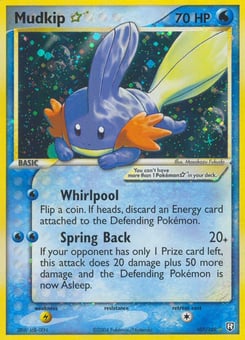
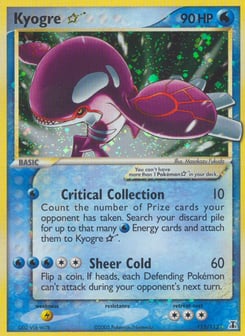
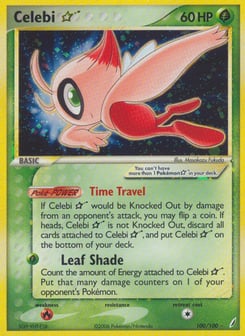
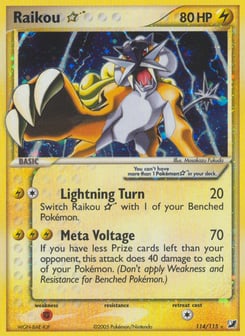
Gold Star cards have a star after the Pokémon's name. They first appeared in Team Rocket Returns in 2004 and ran through Power Keepers in 2007, plus two POP Series promos. Each shows a shiny-colored Pokémon with star-shaped holo, they were pulled at very low rates, and they're some of the most valuable English cards printed after 2003.
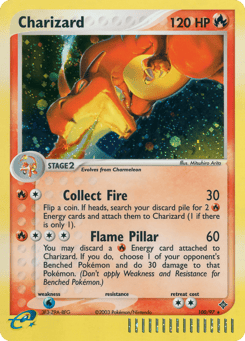
- Charizard ☆ δ (Dragon Frontiers) from Dragon Frontiers sells for about $6,351 raw.
- Gyarados ☆ δ (Holon Phantoms) from Holon Phantoms sells for about $3,003 raw and about $36,000 as a PSA 9.
- Mudkip ☆ (Team Rocket Returns) sells for about $4,891 raw.
- Kyogre ☆ (Delta Species) from Delta Species sells for about $2,612 raw.
- Celebi ☆ (Crystal Guardians) from Crystal Guardians sells for about $2,033 raw and about $78,000 as a PSA 10.
- Raikou ☆ (Unseen Forces) from Unseen Forces sells for about $2,099 raw.
Almost any Gold Star in good condition is worth money. The Gold Star rarity page lists every English one with today's prices, and if you're wondering about gold-bordered cards from other eras, are gold Pokémon cards worth anything sorts the real gold from the foil.
POP Series and other EX-era cards
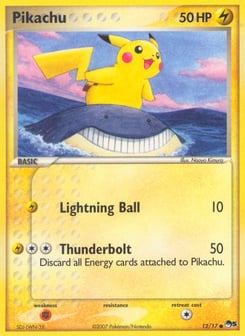
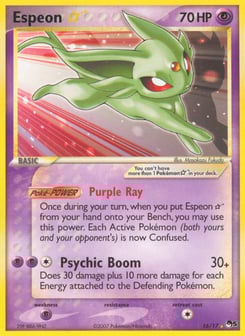
The POP Series were small promo sets sold through Pokémon Organized Play. They're easy to overlook and some are valuable. From POP Series 5, Pikachu (POP Series 5) sells for about $360 raw, and Espeon ☆ (POP Series 5) is one of the most expensive PSA 10 cards of the era at about $127,500. Secret rares from this era do well too: Charizard (Dragon) from Dragon sells for about $775 raw.
Delta Species and Holon cards
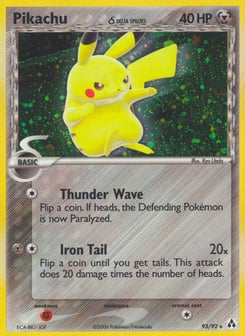
From Delta Species in 2005, several EX sets included "δ" (delta species) Pokémon with unusual types, and the Holon sets built whole storylines around them. Collectors like them a lot today, and the secret rares in particular sell well: Pikachu δ (Legend Maker) from Legend Maker sells for about $377 raw.
What to look for in an EX-era collection
Fewer people opened EX-era packs than Wizards packs, and a lot of what was opened got played hard. So most holos from these sets are worth more than their modern equivalents, and the top rarities (Gold Stars, ex cards and secret rares) are scarce in any condition. A card with a star after the name, or a number above the set total, goes to the top of the pile. The Dragon Frontiers, Unseen Forces and Power Keepers rankings are good starting points, and the Holon Phantoms ranking shows how much the delta cards add.
Diamond & Pearl and Platinum (2007–2009)
The Diamond & Pearl and Platinum sets are less collected than the eras either side, which keeps a lot of prices modest. The money is concentrated in one rarity and a few special releases. See the Diamond & Pearl and Platinum era pages.
LV.X cards
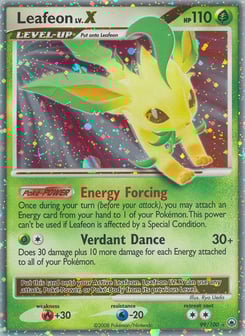
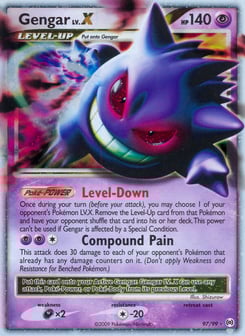
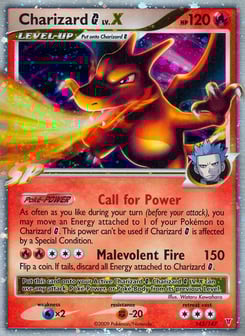
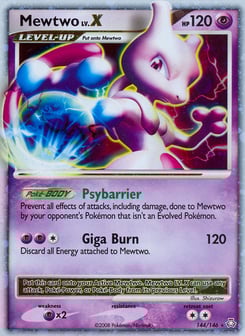
LV.X cards were placed on top of the regular Pokémon in play, and they're the main chase from these sets. Leafeon LV.X (Majestic Dawn) from Majestic Dawn sells for about $781 raw, one of the most valuable cards of the period. Gengar LV.X (Arceus) from Arceus sells for about $590 raw, and Charizard G LV.X (Supreme Victors) from Supreme Victors for about $369. Mewtwo LV.X (Legends Awakened) from Legends Awakened sells for about $262. There are enough of them that the Charizard LV.X and Mewtwo LV.X pages each list more than one version.
Pokémon Rumble and secret rares
The small 16-card Pokémon Rumble set from 2009 was never part of the regular booster lineup, and for its size it's one of the more valuable sets of its time. Pikachu (Pokémon Rumble) sells for about $839 raw.
Platinum-era secret rares like Surfing Pikachu (Rising Rivals) and Zapdos (Supreme Victors) also sell for hundreds of dollars raw. Surfing Pikachu is about $349, and Zapdos about $297.
What to look for in Diamond & Pearl and Platinum
LV.X cards first, then anything numbered above the set total, then the Pokémon Rumble cards. Most other holos from these sets sell for modest amounts, though clean copies of popular Pokémon are worth a look. These sets are also where "G", "GL", "C" and "E4" cards show up, marking Team Galactic, Gym Leader, Champion and Elite Four Pokémon in the Platinum sets. They're usually worth little unless they're LV.X. The 2008 and 2009 rankings list the top cards of each year.
HeartGold & SoulSilver (2010–2011)
The HeartGold & SoulSilver sets brought back the Johto Pokémon and added two new rarities: Prime cards and two-card LEGEND pairs. Call of Legends, the last set of the era, has a subset of shiny Pokémon that are worth money. See the HeartGold & SoulSilver era.
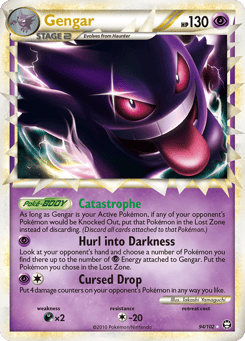
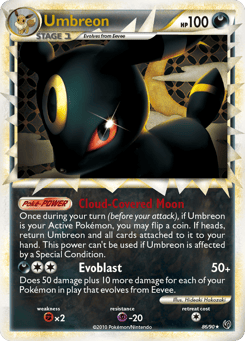
- Prime cards. Gengar (HS—Triumphant) from HS—Triumphant sells for about $587 raw, and Umbreon (HS—Undaunted) from HS—Undaunted sells for about $586.
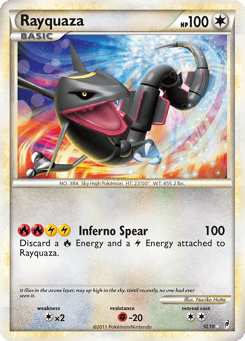
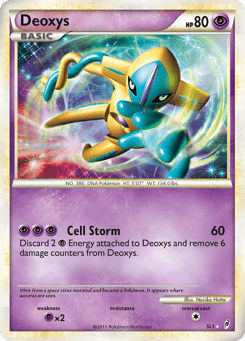
- Shiny Legends. The "SL" cards in Call of Legends are shiny versions of legendary Pokémon. Rayquaza (Call of Legends) sells for about $1,201 raw and about $9,100 as a PSA 9. Deoxys (Call of Legends) sells for about $584.
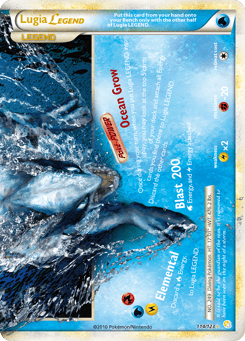
- LEGEND cards. Each LEGEND card is printed in two halves that sit side by side. Lugia LEGEND (HeartGold & SoulSilver) sells for about $285 raw, and that's for one half.
Prime cards have a full-width holo and a "Prime" banner, so they're easy to spot in a binder. They also wear fast on the edges, and clean copies are worth far more than played ones. Call of Legends is full of reprints, so check for the "SL" number before assuming a card is from the shiny subset. The Call of Legends ranking shows the SL cards against the rest of the set.
Black & White (2011–2013)
Black & White added full-art Pokémon-EX, full-art Supporters and gold secret rares. It's where modern chase cards really start, and its best secret rares are now valuable. See the Black & White era.
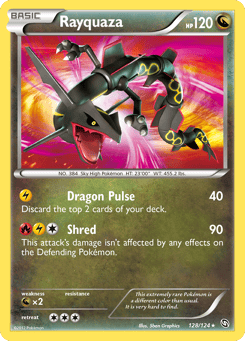
Rayquaza (Dragons Exalted) from Dragons Exalted sells for about $1,437 raw and about $40,123 as a PSA 10. Charizard (Plasma Storm) from Plasma Storm sells for about $1,295 raw, and Gardevoir (Dark Explorers) from Dark Explorers for about $935. The gold Ultra Ball (Plasma Freeze) from Plasma Freeze is a Trainer card, of all things, and sells for about $889 raw. Garchomp (Plasma Freeze) sells for about $721 raw and about $10,200 as a PSA 10.
Full-art EX cards of popular Pokémon are worth money too: Mew-EX (Dragons Exalted) sells for about $450 raw.
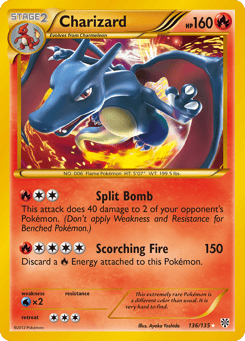
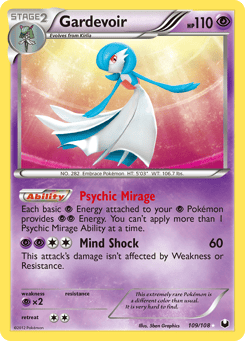
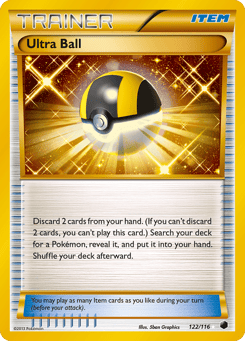
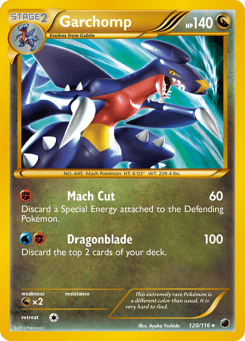
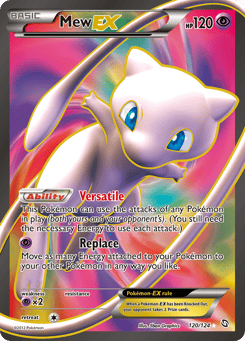
The full-art Supporter cards that began here, with a character filling the whole card, are also worth checking. They were hard to pull and have become a collecting category of their own; Trainer cards worth money covers the ones that sell. Any gold-bordered card from a Black & White set deserves a lookup, because the gold secret rares from Plasma Storm, Plasma Freeze and Plasma Blast are among the most valuable cards of the era. The Plasma Storm ranking is a good example.
XY (2013–2016)
The XY era brought Mega Evolution Pokémon-EX and more full arts. Prices are mixed. Most cards are cheap because the sets were printed heavily, but the secret rares, popular full arts and some promos hold their value. See the XY era.
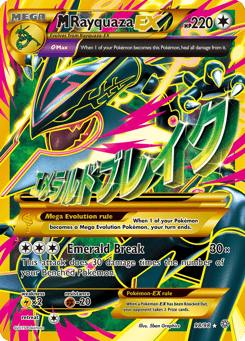
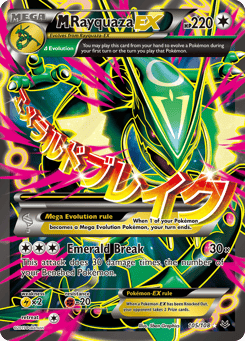
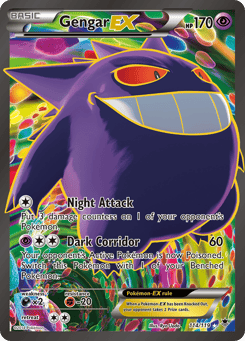
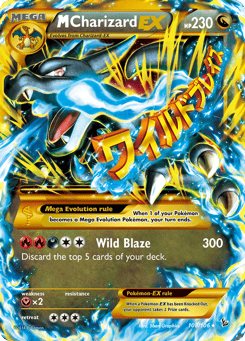
M Rayquaza-EX (Ancient Origins) from Ancient Origins sells for about $865 raw and about $10,101 as a PSA 10. M Rayquaza-EX (Roaring Skies) from Roaring Skies sells for about $498 raw. Gengar-EX (Phantom Forces) from Phantom Forces sells for about $691. M Charizard-EX (Flashfire) from Flashfire sells for about $370 raw and about $12,347 as a PSA 10. Rayquaza turning up twice in one short list isn't a coincidence, and the Rayquaza ranking shows why.
The XY era also brought full-art Trainer cards and Pokémon BREAK cards, printed sideways. Most BREAK cards are worth little. Full-art Supporters and the secret rare Trainers and Stadiums are worth checking.
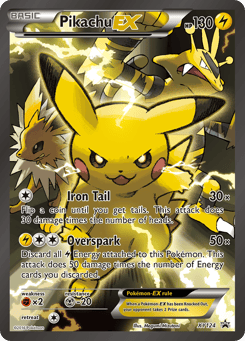
Promos from this era can be surprisingly valuable. Pikachu-EX (XY Black Star Promos) sells for about $406 raw and about $5,000 as a PSA 9, and the Pikachu cards ranking shows how it stacks up against other Pikachu.
Sun & Moon (2017–2019)
Sun & Moon introduced Pokémon-GX and, in its final year, Tag Team cards with alternate artwork. Those alternate arts are the most valuable modern cards before Sword & Shield. See the Sun & Moon era.
Tag Team alternate arts
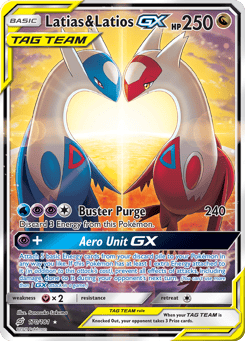
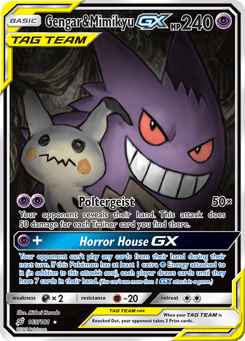
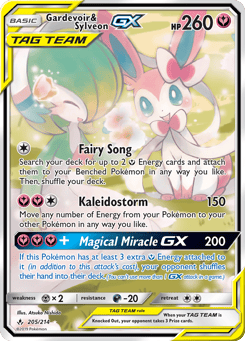
The full-art Tag Team cards with special illustrations from Team Up, Unbroken Bonds and Cosmic Eclipse are the chase cards of the era. Latias & Latios-GX (Team Up) sells for about $3,224 raw and about $15,750 as a PSA 10. Gengar & Mimikyu-GX (Team Up) sells for about $1,604 raw. Gardevoir & Sylveon-GX (Unbroken Bonds) sells for about $1,032. The most valuable Team Up cards ranking shows how deep that one set goes.
Shiny Vault and secret rares
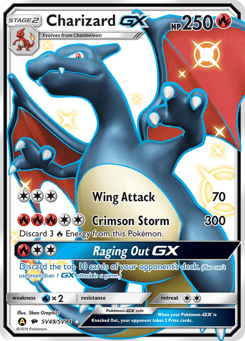
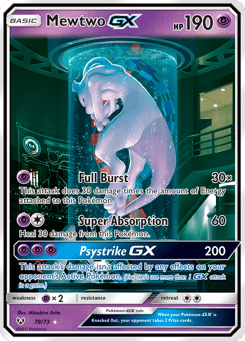
Hidden Fates Shiny Vault is a subset of shiny Pokémon, and its Charizard is one of the best-known modern cards. Charizard-GX (Hidden Fates Shiny Vault) sells for about $707 raw and about $1,475 as a PSA 10, and every other Charizard-GX is listed on one page if you want to compare. From Shining Legends, Mewtwo-GX (Shining Legends) sells for about $905 raw.
Promos with special artwork from this era also sell well. Pikachu & Zekrom-GX (SM Black Star Promos) sells for about $233 raw and about $2,750 as a PSA 10.
Full-art trainers
Full-art Supporter cards showing the games' characters became a collecting category of their own in Sun & Moon. Lillie (Ultra Prism) sells for about $462 raw and about $1,475 as a PSA 10.
What to look for in a Sun & Moon collection
Sun & Moon cards turn up in a lot of collections because the sets sold well, and most of what's in them is bulk. Pull out the Tag Team cards first and check whether they have the full special artwork. Then the rainbow and gold secret rares, then anything from Hidden Fates, then full-art Supporters of popular characters. Regular GX cards with standard artwork are usually a few dollars at most. The 2019 ranking shows how much of the era's value landed in its last year.
Sword & Shield (2019–2023)
Sword & Shield sets were opened in enormous numbers during the 2020 and 2021 collecting boom, so most of their cards are cheap. The exceptions are the alternate-art cards and a few rainbow rares of popular Pokémon, which are the most valuable modern cards of the period. See the Sword & Shield era.
Alternate arts
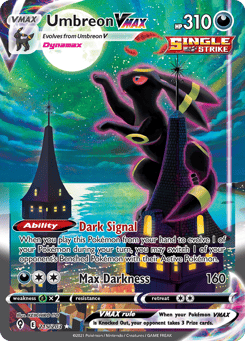
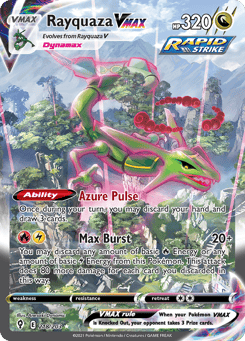
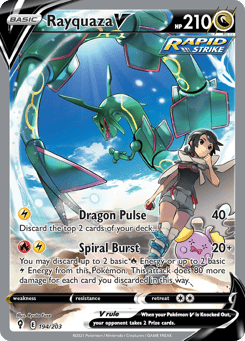
Evolving Skies is the set most collectors point to first. Its alternate-art VMAX and V cards of Umbreon, Rayquaza and the other Eeveelutions are the chase. Umbreon VMAX (Evolving Skies) sells for about $2,200 raw and about $4,050 as a PSA 10. Rayquaza VMAX (Evolving Skies) sells for about $1,132 raw, and Rayquaza V (Evolving Skies) for about $538. To compare every version, browse Umbreon VMAX cards and Rayquaza VMAX cards.
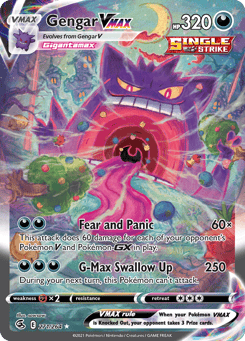
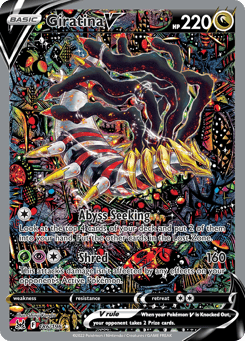
Outside Evolving Skies, Gengar VMAX (Fusion Strike) from Fusion Strike sells for about $1,053 raw, and Giratina V (Lost Origin) from Lost Origin sells for about $1,003.
Special Delivery promos and galleries
Promos given out with special events or mail-in offers are another place to look. Special Delivery Pikachu (SWSH Black Star Promos) sells for about $559 raw and about $4,000 as a PSA 10. Special Delivery Bidoof (SWSH Black Star Promos) sells for about $720, which is a lot of money for a Bidoof handed out by mail.
The Trainer Gallery and Galarian Gallery subsets from the last Sword & Shield sets add another layer of alternate art. Giratina VSTAR (Crown Zenith Galarian Gallery) from Crown Zenith Galarian Gallery sells for about $381 raw.
What to look for in a Sword & Shield collection
Most Sword & Shield cards are bulk, and that includes most regular V and VMAX cards. The money is in the alternate arts, which have a full illustration instead of the standard V or VMAX frame, and in the Trainer Gallery and Galarian Gallery subsets. Check the card number: alternate arts sit above the set total, alongside the rainbow and gold cards. Anything from Evolving Skies deserves a look, and so do Special Delivery and other event promos. The Evolving Skies and Crown Zenith rankings show the top cards.
Charizard V, Champion's Path and Celebrations
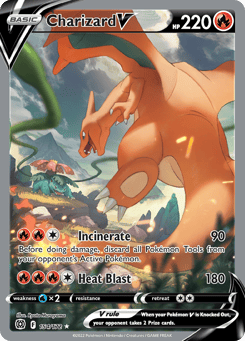
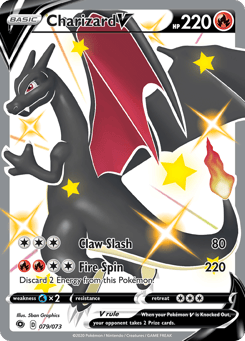
Charizard cards from this era hold value even at lower rarities. Charizard V (Brilliant Stars) from Brilliant Stars sells for about $304 raw, and Charizard V (Champion's Path) from Champion's Path for about $240. The Charizard V page has the rest.
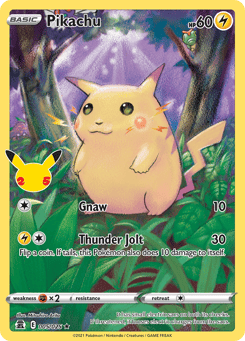
The 25th-anniversary Celebrations set shows how much condition matters even on a modern card. Pikachu (Celebrations) sells for only about $4.83 raw, but about $1,414 as a PSA 10. Collectors want perfect copies, and perfect copies are hard to find.
Scarlet & Violet and Mega Evolution (2023–today)
The newest cards are the easiest to find in a collection and the ones whose prices move fastest. The value is in special illustration rares, illustration rares, the gold hyper rares and a few promos. See the Scarlet & Violet and Mega Evolution era pages, and are new Pokémon cards worth anything for what most modern pulls end up being worth.
Scarlet & Violet
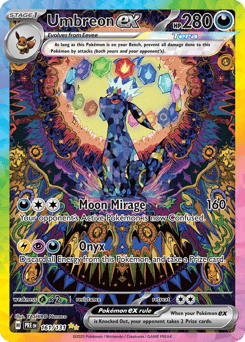
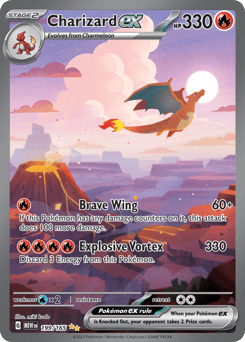
Prismatic Evolutions produced the most valuable card of the era so far. Umbreon ex (Prismatic Evolutions) sells for about $1,528 raw and about $5,575 as a PSA 10. Mew ex (Paldean Fates) from Paldean Fates sells for about $976 raw. From 151, Charizard ex (151) sells for about $414 raw.
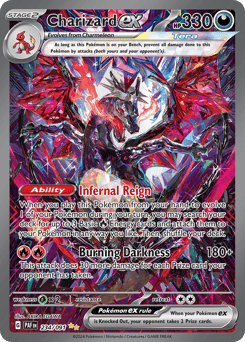
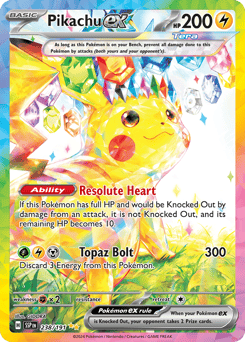
Charizard and Pikachu special illustration rares from other sets sell well too. Charizard ex (Paldean Fates) sells for about $276 raw, and Pikachu ex (Surging Sparks) from Surging Sparks for about $285. Every Charizard ex and Pikachu ex card is listed on its own page if you want to compare them, and the Umbreon ex page does the same for the Prismatic Evolutions card and its relatives.
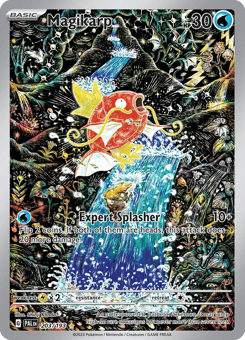
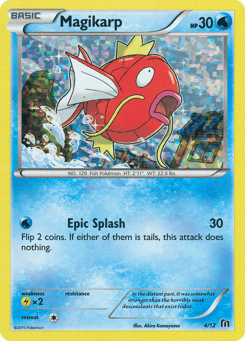
Illustration rares, one step down, can also be worth money. Magikarp (Paldea Evolved) sells for about $375 raw and about $4,125 as a PSA 10.

Promos matter here as well. Pikachu with Grey Felt Hat (Scarlet & Violet Black Star Promos), given out at the Van Gogh Museum collaboration, sells for about $1,238 raw and about $2,760 as a PSA 10.
The Black Bolt and White Flare sets from 2025 added a "Black White Rare" at the top of each set: Zekrom ex (Black Bolt) sells for about $637 raw. Team Rocket's Mewtwo ex (Destined Rivals) from Destined Rivals sells for about $545.
Mega Evolution
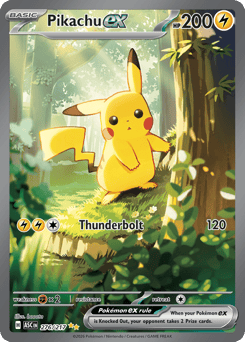
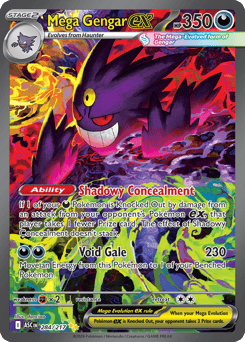
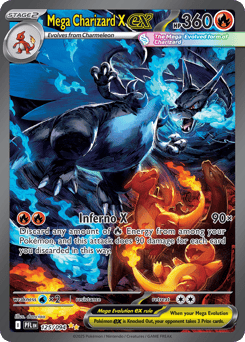
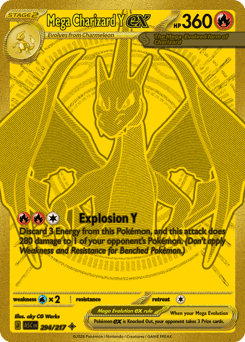
The Mega Evolution series began in September 2025. Its special illustration rares and gold Mega Hyper Rares are the cards worth money. Pikachu ex (Ascended Heroes) from Ascended Heroes sells for about $1,051 raw and about $2,150 as a PSA 10. Mega Gengar ex (Ascended Heroes) sells for about $993. Mega Charizard X ex (Phantasmal Flames) from Phantasmal Flames sells for about $790 raw. Mega Charizard Y ex (Ascended Heroes) sells for about $405 raw and about $2,200 as a PSA 10. The Ascended Heroes ranking shows the rest of that set in order.
What to look for in a Scarlet & Violet or Mega Evolution collection
Start with every card numbered above the set total. In these sets that range holds the illustration rares, special illustration rares, gold hyper rares and, in the Mega Evolution sets, the Mega Hyper Rares. Illustration rares of popular Pokémon, even humble ones like Magikarp or Pikachu, can be worth more than the ex cards next to them. Regular ex cards, double rares and full-art ultra rares of less popular Pokémon are usually a few dollars. Event and collaboration promos are worth a check. The Prismatic Evolutions and 151 rankings show how value spreads out within a modern set: a few cards at the top, then a long flat tail.
Prices for new sets are the least stable of any era. They often slide for months after release as more packs get opened, then settle. If you pulled a big card from a recent set, look at the price history on its card page before you decide when to sell. The 2026 and 2025 rankings track this year's and last year's cards.
Pokémon that are always worth checking
Some Pokémon sell for more than others at every rarity and in every era. Find a holo or special rarity of one of these and it goes to the front of the queue.
- Charizard. The most collected Pokémon in the game, from the Base Set holo to modern special illustration rares. See all Charizard cards and the most valuable Charizard cards.
- Pikachu. Pikachu promos and special cards sell well beyond their rarity. Pikachu (Poké Card Creator Pack), from a 2004 promotional pack, sells for about $480 raw. The Pikachu ranking has the rest.
- Umbreon and the other Eeveelutions. Umbreon has been one of the most valuable Pokémon in almost every era, from Neo Discovery to Prismatic Evolutions. The Eevee ranking covers the family, and Espeon and Sylveon have their own.
- Gengar. Gengar cards from Fossil, the e-Card sets, FireRed & LeafGreen and Fusion Strike are all among the most valuable of their eras. The Gengar VMAX page shows the modern end of that run.
- Rayquaza, Lugia, Mew and Mewtwo. The legendaries with long histories in the games sell for more than other legendaries. See the Rayquaza, Lugia, Mew and Mewtwo rankings.
Promos and special releases
Promos are some of the most overlooked cards worth money, because they were given away rather than sold in packs.
- Event and prize promos. Cards handed out at tournaments, league events and museums are often scarce. The Wizards-era Lucky Stadium and Best of Game cards above are examples, and so is the Grey Felt Hat Pikachu.
- McDonald's cards. The small McDonald's Collection sets are mostly worth little, but some holos from certain years sell for real money: Magikarp (McDonald's Collection 2016) from the 2016 set sells for about $160 raw. See the McDonald's Collection 2016 ranking.
- Anniversary sets. The 30th Celebration sets from September 2026 are the newest special releases, and early prices are jumpy. Mew ex (30th Celebration) from 30th Celebration sells for about $149 raw today. The 30th Celebration ranking tracks the set as it settles.
- Black Star promos. Every era has a Black Star Promo set, from the Nintendo Black Star Promos of the EX years to the SWSH Black Star Promos. Most promos are cheap. The special-art and event promos in each one are worth checking.

Why condition changes everything
Two copies of the same card can differ in value by a factor of ten or more on condition alone. Ungraded prices on Ultraball are for a near-mint copy. A lightly played card usually sells for noticeably less, and a creased or heavily played one for a fraction of the near-mint price.
Graded cards show how steep the curve gets at the top. Tyranitar (Aquapolis) from Aquapolis sells for about $684 raw, about $3,301 as a PSA 9, and about $30,000 as a PSA 10. For older cards especially, a clean copy that could grade well is worth much more than its raw price suggests, and a played copy is worth much less. Whether a particular card is worth sending in is its own question, and is it worth grading Pokémon cards works through it; how to get a Pokémon card graded covers the paperwork.
Condition also explains why two sellers can ask very different prices for what looks like the same card. Before comparing your copy with a listing, check the corners, the edges on the back, the holo surface under a light and the centering of the borders. If your copy shows wear, price it against lightly or moderately played sales rather than the near-mint figure, and expect a buyer to do the same.
That's also why storage matters. Keep anything valuable in a sleeve and a top loader or a decent binder (see best Pokémon card binders for what to look for), away from sunlight and damp, and handle holos by the edges.
The top 100 Pokémon cards worth money
The most valuable Pokémon cards ranking is our live top 100. It ranks every English card on Ultraball by its current ungraded, near-mint value, rebuilt daily. Each entry shows the card's era, rarity, set, number and year, its ungraded price with the PSA 10 price beside it, which way the price has moved lately, and a note on whether the price rests on strong or limited sales data. The PSA 10 figure is there for reference only. It never changes the order, because a graded top copy can be worth many times a raw one and would swamp the list.
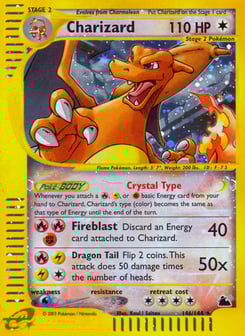
Reading it teaches you something about this hobby. The top of the list isn't Base Set. When we put this guide together it was mostly EX-era and Wizards-era cards, Gold Stars and e-Card holos in particular: cards like Espeon ☆ (POP Series 5), Charizard (Skyridge) (about $102,000 as a PSA 10), Rayquaza ☆ (Deoxys) and Umbreon ☆ (POP Series 5). The order shifts as prices move, so check the live list rather than trusting a snapshot. Modern alternate arts and special illustration rares make up a much smaller share than the headlines suggest. Several of those top entries carry the "limited data" note, which is honest: a card that sells a few times a year has a price you should treat as a range rather than a fact.
The list is ungraded only and English only. For the biggest prices ever paid, which are nearly all graded copies at auction, see the most expensive Pokémon cards ever sold. For cards that are hard to find rather than simply expensive, rarest Pokémon cards and rare Pokémon cards worth money come at the question from the scarcity side. And if you want one Pokémon at a time, the rankings for Charizard, Blastoise, Dragonite and dozens of others work the same way.
The most valuable cards in each era right now
The list below is rebuilt every day from recorded sold listings. It shows the most valuable English cards from each era by ungraded price, so you can see at a glance what the top cards of each period sell for today.
Wizards of the Coast
| # | Card | Ungraded | PSA 10 |
|---|---|---|---|
| 1 | | $4,653 | $100,000 |
| 2 | | $4,440 | $160,000 |
| 3 | 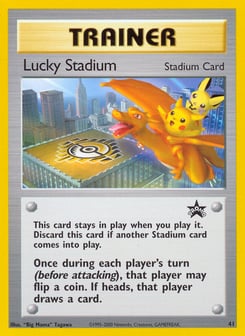 | $2,131 | $7,500 |
| 4 | 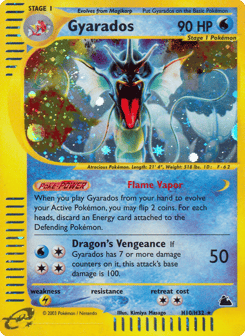 | $2,091 | $29,999 |
| 5 | 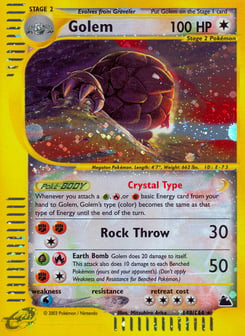 | $1,715 | $8,949 |
EX
| # | Card | Ungraded | PSA 10 |
|---|---|---|---|
| 1 | | $6,351 | $38,750 |
| 2 | | $4,891 | $17,383 |
| 3 | 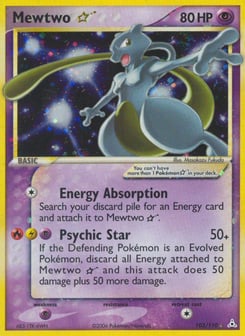 | $3,597 | $70,370 |
| 4 | | $3,003 | $80,520 |
| 5 | | $2,612 | $52,460 |
Diamond & Pearl
| # | Card | Ungraded | PSA 10 |
|---|---|---|---|
| 1 | | $781 | – |
| 2 | 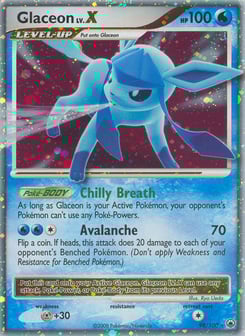 | $625 | $10,600 |
| 3 | 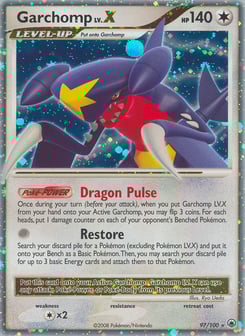 | $332 | $2,535 |
| 4 |  | $322 | $2,550 |
| 5 | 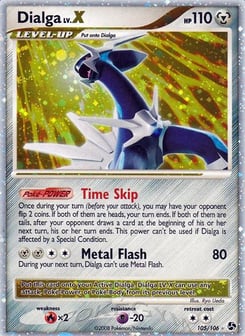 | $278 | $132,000 |
Platinum
| # | Card | Ungraded | PSA 10 |
|---|---|---|---|
| 1 | 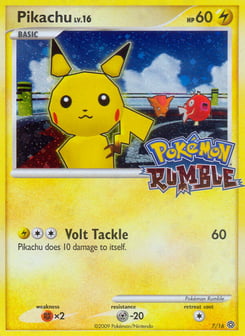 | $839 | $25,609 |
| 2 | 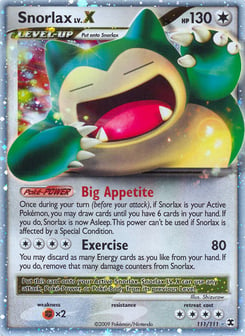 | $738 | – |
| 3 | | $590 | $66,000 |
| 4 | 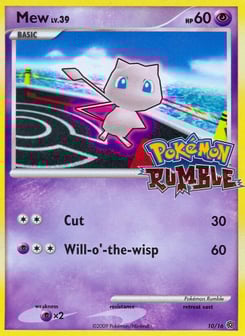 | $554 | $17,770 |
| 5 | 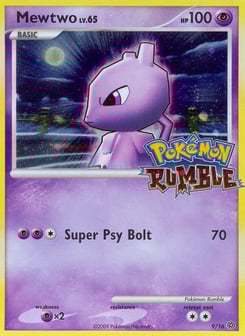 | $459 | $70,000 |
HeartGold & SoulSilver
| # | Card | Ungraded | PSA 10 |
|---|---|---|---|
| 1 | | $1,201 | $10,675 |
| 2 | 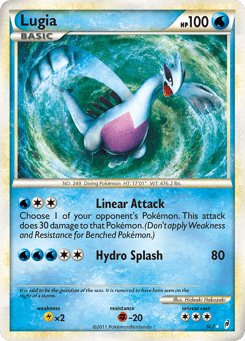 | $807 | $7,800 |
| 3 |  | $735 | $9,888 |
| 4 | | $587 | $42,500 |
| 5 | | $586 | $90,000 |
Black & White
| # | Card | Ungraded | PSA 10 |
|---|---|---|---|
| 1 | | $1,437 | $40,123 |
| 2 | | $1,295 | $90,000 |
| 3 | | $935 | $22,200 |
| 4 | | $889 | $4,680 |
| 5 | | $721 | $10,200 |
XY
| # | Card | Ungraded | PSA 10 |
|---|---|---|---|
| 1 | | $865 | $10,101 |
| 2 | | $691 | $20,527 |
| 3 | 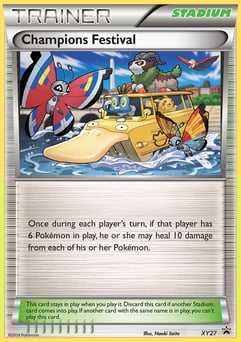 | $527 | – |
| 4 | | $498 | $31,800 |
| 5 | 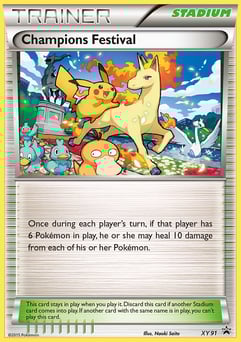 | $462 | $3,400 |
Sun & Moon
| # | Card | Ungraded | PSA 10 |
|---|---|---|---|
| 1 | | $3,224 | $15,750 |
| 2 | | $1,604 | $7,900 |
| 3 | | $1,032 | $4,251 |
| 4 | 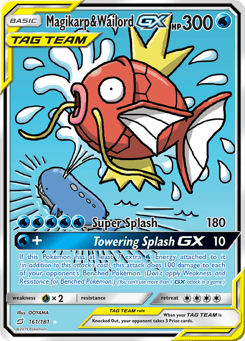 | $947 | $4,253 |
| 5 | | $905 | $8,150 |
Sword & Shield
| # | Card | Ungraded | PSA 10 |
|---|---|---|---|
| 1 | | $2,200 | $4,050 |
| 2 | | $1,132 | $2,535 |
| 3 | | $1,053 | $2,325 |
| 4 | | $1,003 | $3,750 |
| 5 | 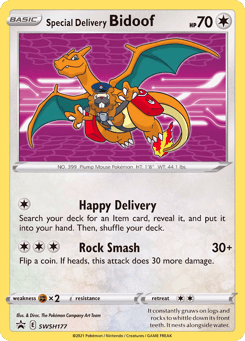 | $720 | $3,250 |
Scarlet & Violet
| # | Card | Ungraded | PSA 10 |
|---|---|---|---|
| 1 | | $1,528 | $5,575 |
| 2 | 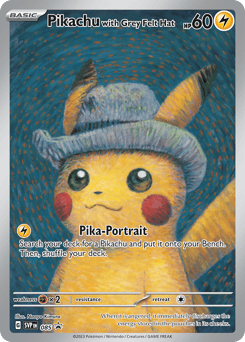 | $1,238 | $2,760 |
| 3 | | $976 | $3,004 |
| 4 | 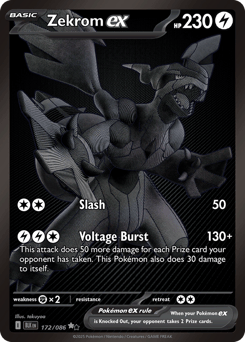 | $637 | $1,470 |
| 5 | 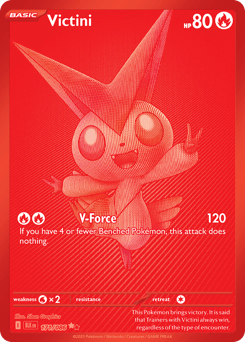 | $635 | $1,421 |
Mega Evolution
| # | Card | Ungraded | PSA 10 |
|---|---|---|---|
| 1 | | $1,051 | $2,150 |
| 2 | | $993 | $1,956 |
| 3 | | $790 | $1,920 |
| 4 | 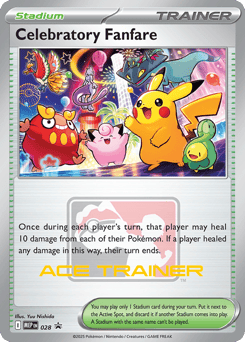 | $684 | – |
| 5 | 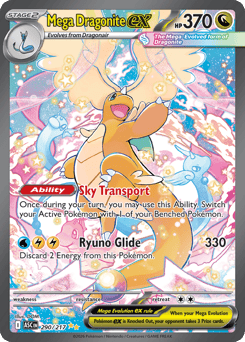 | $674 | $1,259 |
For a single ranking across every era, go back to the top 100 most valuable Pokémon cards. For individual sales rather than averages, top recent sales shows the biggest ones as they come in, and most traded shows which cards are actually changing hands.
Cards that are usually not worth much
Knowing what isn't valuable saves you an afternoon. These make up most collections, and most of them sell for under a dollar or a few dollars:
- Modern commons, uncommons and non-holo rares. Sets from 2014 onward were printed in very large numbers. Unless the card is a special rarity or a popular promo, it's likely bulk.
- Energy cards and most Trainers. Basic Energy is almost always bulk. Most Trainer cards are too, apart from full-art and gold versions and a few vintage and e-Card Trainers.
- Unlimited Base Set, Jungle and Fossil commons and uncommons in played condition. They're old, but they were printed in huge numbers.
- Base Set 2 and reprints. Base Set 2 and later reprint sets reuse the original artwork, and they're worth less than the 1999 originals.
- Damaged cards. Creases, water damage, writing and heavy wear cut most cards to a fraction of the near-mint price, vintage holos included.
- Non-English cards, when priced against English guides. Japanese and other-language cards have their own markets and Ultraball covers English cards only. Are Japanese Pokémon cards worth more and Korean and Chinese Pokémon cards explain how those markets differ.
- Fakes. Counterfeits are worth nothing. If a card feels wrong, looks off-color or has the wrong font, read how to tell if Pokémon cards are fake. A genuine misprint is a different animal, covered in Pokémon error cards worth money.
How to check what your cards are worth
- Sort out the holos, special rarities and anything from 1999 to 2003. That's where the value is likely to be. Check every card from the e-Card sets.
- Find each card's set symbol and number at the bottom of the card, then look it up. The Pokémon card price checker guide walks through identification step by step, including 1st Edition and Shadowless printings, and how much are my Pokémon cards worth covers pricing a whole collection.
- Judge the condition honestly. Ungraded prices here are for near-mint copies. Adjust down for wear.
- Use sold prices, not asking prices. What a card actually sold for is its value. A listing is only what a seller hopes to get.
- Consider grading only for cards with a big raw-to-graded gap and clean condition. PSA's cheapest open tier is $59.99 per card as of September 2026, so grading rarely pays for cheap cards. The PSA grading cost guide has the maths.
You can also browse by set, by Pokémon or by era, search the full card list, or check the market page for cards whose prices are moving. When it's time to let something go, how to sell Pokémon cards and where to sell Pokémon cards pick up from here.