How much does it cost to grade a Pokémon card?
The short answer for most people with a raw card worth under $1,000: about $60 a card at PSA, or $17 to $20 a card at CGC, plus shipping both ways. Here's how the cheapest open option at each grader compares, from each company's own price list in September 2026.
| Grader | Cheapest open tier | Fee per card | Max value | Estimated turnaround |
|---|---|---|---|---|
| PSA | Standard | $59.99 | $1,000 | 90–100 business days |
| CGC | Bulk (25-card minimum) | $17 | $500 | 150 working days |
| CGC | Economy | $20 | $1,000 | 90 working days |
| Beckett (BGS) | Not listed when we checked | – | – | – |
| TAG | Regular tiers paused | – | – | – |
For a total, add up four things: the grading fee, shipping to the grader, return shipping (which the grader charges you for), and the marketplace fees when you sell. On a single card the shipping can be a big share of the total. Spread across a larger order it matters much less, which is why it usually makes sense to wait until you have a stack worth sending.
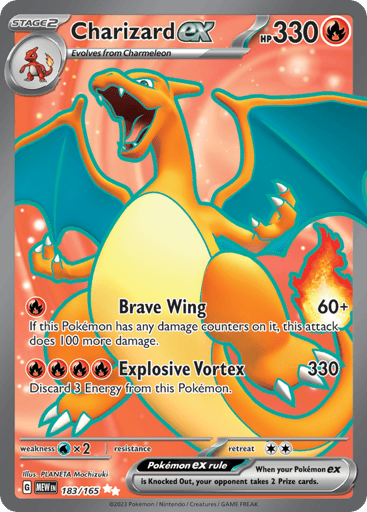
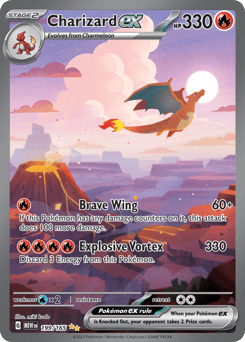
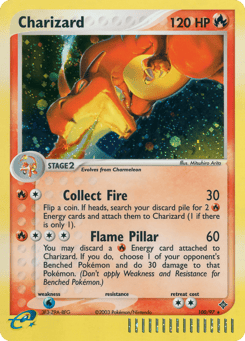
Take a real example. Charizard ex (151) sells for about $46.09 raw and about $202 as a PSA 10, which sits under PSA's Standard cap. Put .99 plus shipping both ways plus selling fees against that gap and you can see how much of it the costs eat, and that's before you allow for the copy coming back a 9. At CGC's bulk price the sums look better, but the slab usually sells for less.
Our honest view: CGC is the cheaper, faster way to get a card authenticated and protected. PSA is the one to pay for when you intend to sell, because in our sold data the PSA slab usually brings more. The comparison section further down has the numbers.
PSA grading prices (as of September 2026)
These are the service levels PSA lists for trading cards, checked on psacard.com in September 2026. Turnaround times are PSA's own estimates in business days, counted from when your order is received and scanned at its facility. PSA states they aren't guaranteed.
| Service level | Price per card | Max insured value | Estimated turnaround |
|---|---|---|---|
| Standard | $59.99 | $1,000 | 90–100 business days |
| Priority | $79.99 | $1,500 | 70–80 business days |
| Express | $199 | $2,500 | 20–30 business days |
| Super Express | $349 | $5,000 | 10–15 business days |
| Premier | $599 | $10,000 | 7–10 business days |
| Premium 1 | $999 | $25,000 | 5–7 business days |
| Premium 2 | $1,999 | $50,000 | 5–7 business days |
| Premium 3 | $2,999 | $100,000 | 5–7 business days |
| Premium 5 | $4,999 | $250,000 | 5–7 business days |
| Premium 10 | from $9,999 | over $250,000 | 5–7 business days |
A few things changed recently, and they explain why older guides disagree with this table:
- Value tiers are paused. PSA stopped taking new Value Bulk, Value, Value Plus and Value Max orders on June 2, 2026, citing a backlog it said was approaching 10 million cards. PSA has said it will reopen tiers in phases, but hasn't given a date.
- Standard is new. PSA opened Standard on September 14, 2026, and says it isn't a replacement for the Value tiers. Standard orders are processed after existing Value and bulk orders.
- Two tiers were renamed. Priority is the old Regular level at the same $79.99. Premier is the old Walk-Through at $599.
- Express went up to $199 at the same time, with the $2,500 cap unchanged.
Every level includes front and back images of the graded card. From Express upward, PSA also includes grader notes that describe the defects behind the grade, which helps if you're deciding whether to resubmit. Premium 10 pricing starts at $9,999 for items up to $350,000 and adds $399 for each extra $10,000 of value.
What you actually pay per card
The price per card is the headline. Four other costs decide whether a submission makes money.
Declared value and upcharges. Each service level has a maximum insured value, and you're expected to pick the level that covers what the card will be worth after it's graded, not what it's worth raw. If PSA grades the card and decides it's worth more than your level's cap, it moves that card (not the whole order) to the level that fits and bills you the difference. A card you submit at Standard that comes back a PSA 10 worth $3,000 will be bumped to Super Express pricing. Budget for the upcharge before you send anything that could come back a high-value 10. It's the cost people forget, and it's the one that stings.
Shipping both ways. PSA doesn't insure packages on the way in. You pay to ship to PSA, and you pay PSA for insured return shipping. On one or two cards, shipping can add a meaningful share to the per-card cost; spread across a larger order it matters less.
Selling costs. If the point of grading is to sell, take the marketplace's final value fee and payment processing off the graded sale price. Plenty of collectors skip this step and overstate the gain. Our guides on how to sell Pokémon cards and where to sell Pokémon cards cover the fees on each platform.
Time. At 90–100 business days, a Standard order takes roughly four to five months once PSA has scanned it in. Prices move in that time. Modern cards in particular can drop between the day you submit and the day the slab arrives, so check the market page for which way your card is heading before you tie it up for months.
How to pick a service level
Start from the graded price, not the raw one. Look up the card, note its PSA 10 price, and pick the cheapest level whose cap sits above that number. If the card is a realistic PSA 9 at best, use the PSA 9 price instead, but know you'll be upcharged if it surprises you.
Two examples from our current prices:
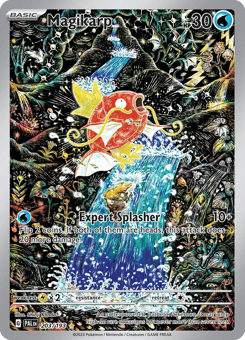
- Magikarp (Paldea Evolved) sells for about $375 ungraded and about $4,125 as a PSA 10. Compare that PSA 10 price with the caps in the table: if it's above $1,500, Standard and Priority are both too low, and if it's above $2,500, Express is too; pick the first level that clears it.
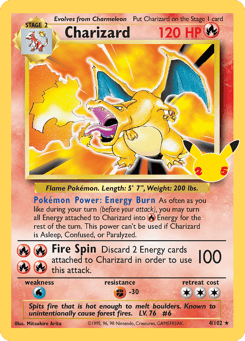
- Charizard (Celebrations: Classic Collection) sells for about $156 raw and $505 as a PSA 10. That fits comfortably under the Standard cap, so the cheapest open level covers it, as it does for most cards from the Celebrations: Classic Collection.
If you're not sure what your card is worth, find it first with our Pokémon card price checker guide, which covers set symbols, printings and condition.
Is it worth grading your Pokémon card? The break-even maths
Grading pays when the expected sale price as a slab, after all costs, beats what you'd get selling raw. Written out:
- Estimate your chance of each grade. Be honest with yourself. For a pack-fresh modern card that looks clean, a PSA 10 is possible but never certain. For a vintage card that's been handled, a 10 is rare.
- Multiply each graded price by its chance and add them up. That's your expected graded price.
- Subtract the grading fee, shipping both ways, any likely upcharge and selling fees.
- Compare the result with the raw price. If it isn't clearly higher, sell or keep the card raw.
Here's how that plays out on real cards, using today's sold prices. For a longer walk through the decision, see is it worth grading Pokémon cards.
When a PSA 10 is the whole case
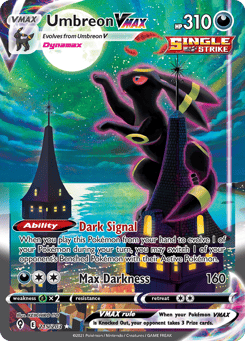
Umbreon VMAX (Evolving Skies), a rainbow rare, is a good example of a card where grading only works if it comes back a 10. It sells for about $2,200 ungraded, about $2,095 as a PSA 9 and about $4,050 as a PSA 10. When the PSA 9 price is at or below the raw price, a 9 loses you the grading fee and shipping. You're paying a fee, plus a higher tier because of the card's value, to buy a chance at the 10. Only submit a copy like this if the centering and surface are genuinely clean under a light. Run the same check on other Evolving Skies chase cards and Umbreon cards before you send them.
When even a 9 pays
The Paldea Evolved Magikarp from the service-level section is the opposite case. Compare its PSA 9 price of about $520 with the raw price above: when a 9 alone clears the raw price plus the fee and shipping, you aren't relying on the 10 at all, and the PSA 10 price is upside. Cards with this shape, where even a near-perfect grade lifts the price well above raw, are the safest submissions. Some other illustration rare cards from Paldea Evolved and later sets have the same shape, so compare several before you choose what to send.
When grading loses money
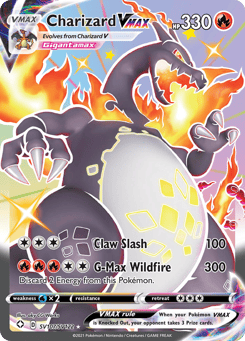
Charizard VMAX (Shining Fates Shiny Vault) sells for about $142 raw, $128 as a PSA 9 and $243 as a PSA 10. Take the $59.99 Standard fee and shipping off the PSA 10 price and compare it with the raw price: the gap is thin, and a PSA 9 sells for no more than a raw copy. A card like this is usually worth more to you raw, or bought already graded. Our most valuable Charizard cards ranking shows how widely the raw-to-graded gap varies for the same Pokémon.
Vintage: the premium is bigger, and so is the risk
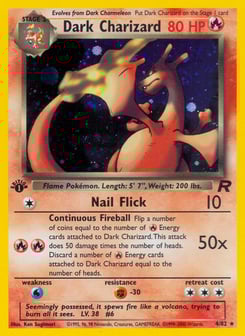
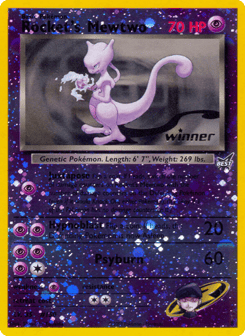
Older cards often show the largest gaps between raw and PSA 10, because so few copies survived without wear. Dark Charizard (Team Rocket), from Team Rocket, sells for about $327 ungraded, $875 as a PSA 9 and $10,800 as a PSA 10. Blaine's Charizard (Gym Challenge) shows a similar pattern at about $582 raw, $1,400 as a PSA 9 and $6,600 as a PSA 10. The catch: our raw price is for a near-mint copy, most vintage cards in circulation aren't near mint, and a handled vintage card is far more likely to come back a 7 or 8 than a 10. Work the maths with the grade you're likely to get, not the one you want. Our Wizards of the Coast era page lists prices for every set from that period, and 1st Edition Pokémon cards explains why the 1st Edition stamp changes these numbers.
A quick rule of thumb
If the PSA 10 price is less than roughly three times the raw price, and the PSA 9 price is below raw, grading is a bet on a 10 and needs a card you're confident in. If the PSA 9 price alone is well above raw plus costs, grading is usually sound. If both graded prices sit close to raw, keep the card raw. Most bulk and most played cards land in that last group, and that's fine.
What PSA graders look at
PSA grades on a 1 to 10 scale after first checking that the card is authentic and hasn't been altered. Its definition of a PSA 10 Gem Mint is a "virtually perfect" card with four sharp corners, sharp focus and full original gloss, no staining, and centering within about 55/45 on the front and 75/25 on the back. A slight printing imperfection is allowed if it doesn't hurt the card's appeal. In practice, graders look at four things. Our PSA grading scale explained guide goes through every grade from 1 to 10.
Centering. Measure the border on each side. On the front, the wider border can be at most about 55% of the combined left-right (or top-bottom) width for a 10. Many modern cards miss a 10 on centering alone, straight out of the pack.
Corners. Look for whitening, softness or tiny dings at each corner, front and back. Back corners on holo and full-art cards show whitening easily.
Edges. Check for chipping or whitening along the edges, especially on the back, where the blue border shows every nick.
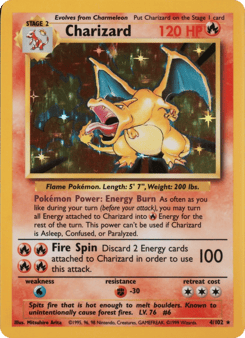
Surface. Tilt the card under a bright light. Scratches, print lines, dents, indentations and fingerprints show up on holo foil and textured cards. Surface is where most modern cards lose points. Textured full arts like Charizard ex (151) and old holos like Charizard (Base Set) are the ones to check hardest; tilt them slowly and look for fine lines across the foil.
Cards with writing get an "MK" qualifier. Cards that show signs of trimming, recoloring or other tampering aren't given a numeric grade. If you're unsure whether a card is genuine, read how to tell if Pokémon cards are fake before paying to find out. Phone apps that estimate a grade can help you pre-screen a stack, but treat them as a rough filter; our look at AI Pokémon card grading apps covers their limits.
How to grade Pokémon cards with PSA, step by step
- Choose the cards. Price each one raw, as a PSA 9 and as a PSA 10, and run the break-even check above. Leave out anything where only a 10 pays and the card isn't clean.
- Inspect them. Check centering, corners, edges and surface under a bright light, with a loupe if you have one. Wipe fingerprints from the surface with a clean microfiber cloth, gently.
- Create a PSA account and start a submission online. Pick the service level for each card from its post-grade value, enter the cards and the declared values, and pay the grading fee.
- Pack carefully. Put each card in a penny sleeve, then in a semi-rigid card holder, and pack the holders tightly so nothing moves. Print the packing slip from your order and include it.
- Ship with tracking, and buy transit insurance if the cards are valuable, since PSA doesn't insure inbound packages.
- Track the order in your PSA account, and pay any upcharges when you're notified.
- Receive the slabs and check each certification number on psacard.com. Then compare your results with current sold prices for each grade before you list anything.
If you want the background on what happens to a card between steps 5 and 7, how Pokémon card grading works explains it.
PSA vs CGC vs BGS vs TAG
PSA isn't the only grader for Pokémon cards, and at the low end it's no longer the cheapest by a wide margin.
CGC. CGC Cards currently lists these tiers for direct U.S. submissions:
| CGC tier | Fee per card | Max value | Current turnaround |
|---|---|---|---|
| Bulk (25-card minimum) | $17 | $500 | 150 working days |
| Economy | $20 | $1,000 | 90 working days |
| Standard | $55 | $3,000 | 10 working days |
| Express | $100 | $10,000 | 5 working days |
| WalkThrough | $300 | $100,000 | 2 working days |
CGC members get 10% or 20% off, depending on membership level. CGC's top grade is a Pristine 10, reserved for cards that look flawless under 10-times magnification, above its Gem Mint 10.
PSA vs CGC. In our sold data, a PSA 10 sold for more than a CGC 10 of the same card on about 97% of the cards where we have enough sales of both, and PSA slabs are the default reference in most sold listings. CGC is cheaper and currently faster at every comparable tier. If you plan to keep the card, CGC's price and speed are hard to argue with. If you plan to sell, check the sold prices for both graders on the specific card before choosing, because the PSA premium varies from card to card.
BGS (Beckett). Beckett gives four subgrades, for centering, corners, edges and surface, as well as the overall grade. A card that scores 10 on all four gets Beckett's Black Label, which is rare and sells at a premium on modern cards. Beckett's online pricing was unavailable when we checked, so compare its current fees directly before submitting.
TAG. TAG grades on the familiar 1 to 10 scale and adds a TAG Score out of 1,000, plus a digital report showing where each defect is. Its regular tiers were paused when we checked in September 2026, with only its faster tiers open.
Cards where a PSA 10 pays the most
The table below is rebuilt every day from recorded sold listings. It ranks English cards by how much more a PSA 10 sells for than an ungraded copy, using only prices we have good sample sizes for. Use it to see which cards reward a perfect grade, then check the PSA 9 column before you assume grading is worth it.
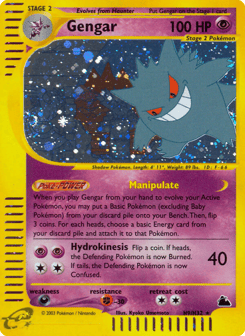
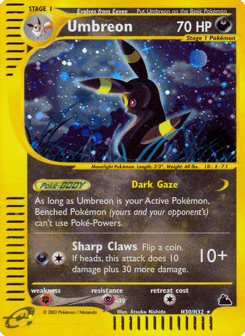
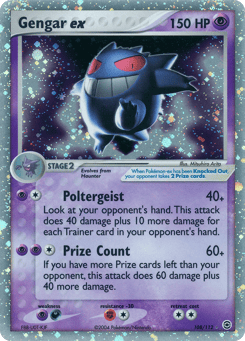
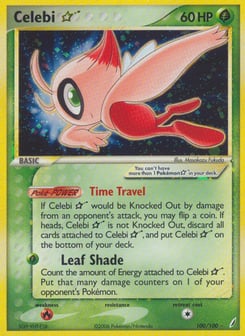
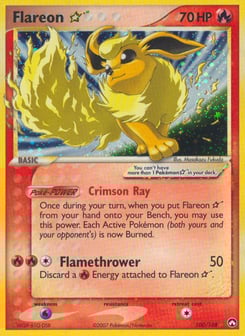
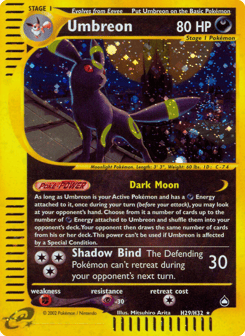
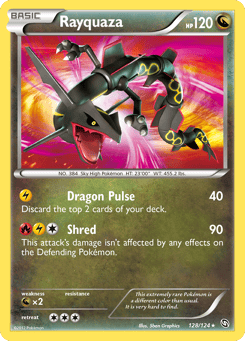
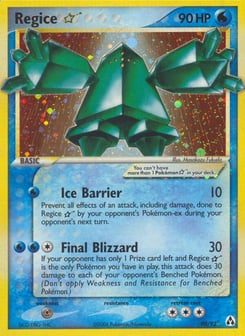
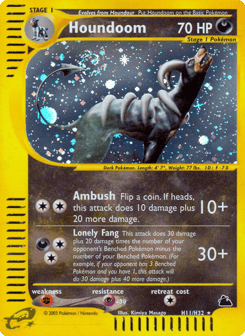
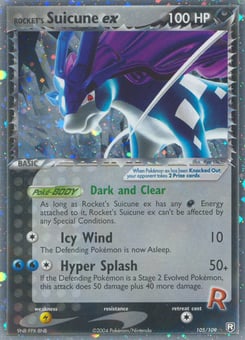
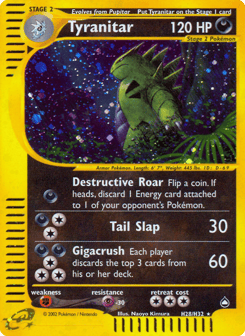
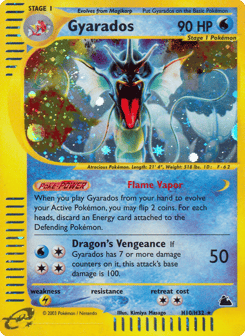
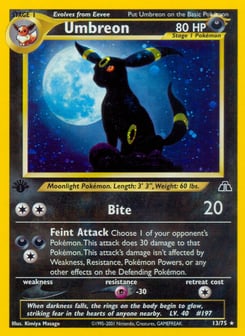
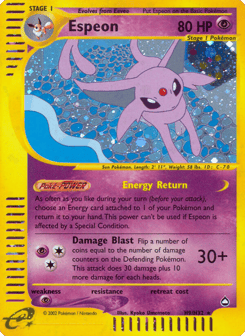
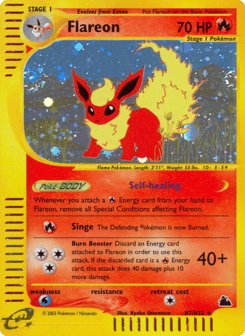
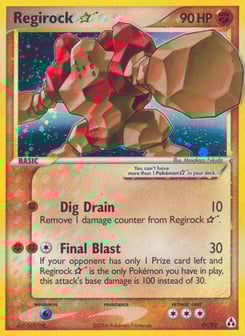
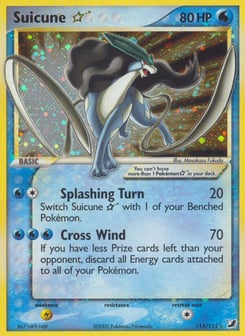
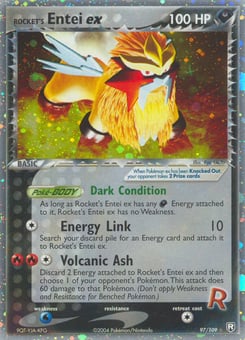
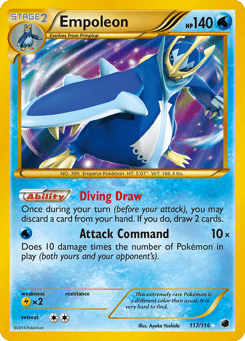
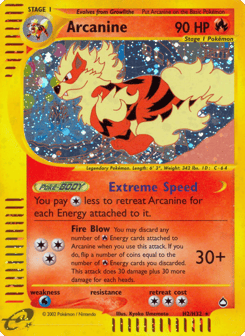
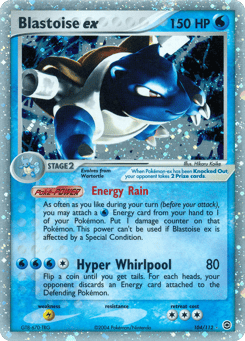
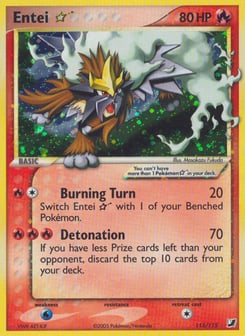
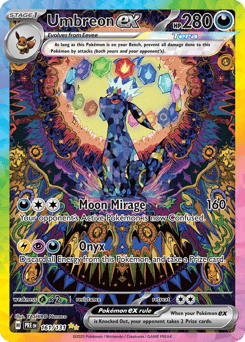
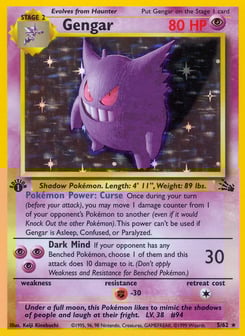
At the top of lists like this you'll usually find early-2000s cards such as Gengar (Skyridge) from Skyridge, where survivors in gem condition are scarce. Modern cards such as Umbreon ex (Prismatic Evolutions) show up too, because demand is high even when supply is large; our guide to what an SIR Pokémon card is explains why that tier draws so much money. For the biggest graded cards overall, see PSA 10 Pokémon cards, the most valuable Pokémon cards ranking and our recent top sales.