Pokémon card rarity chart at a glance
This is the short version. Every rarity name links to a page listing each English card with that rarity, sorted by today's price.
| Symbol | Rarity | Where you see it |
|---|---|---|
| Black circle | Common | Every era |
| Black diamond | Uncommon | Every era |
| Black star | Rare (or Holo Rare before 2023) | Every era |
| Black star with "PROMO" | Promo | Promotional cards outside booster packs |
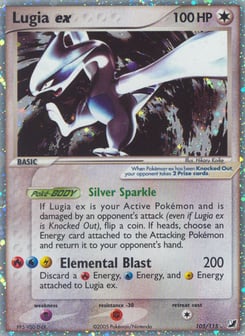
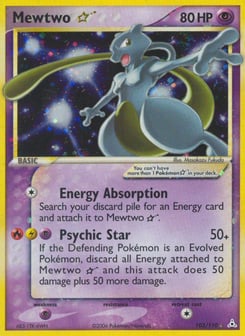
| Star, card named with a ☆ | Gold Star | EX era, 2004 to 2007 |
| Star, "Shining" in the name | Shining | Neo era 2001 to 2002, Shining Legends 2017 |
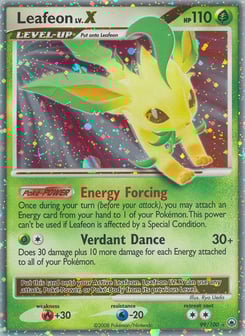
| Star, "LV.X" in the name | LV.X | Diamond & Pearl and Platinum, 2007 to 2009 |
| Star, "ACE SPEC" banner | ACE SPEC | Black & White 2012 to 2013; Scarlet & Violet 2024 to 2025 (pink star) |
| White or foil star | Ultra Rare (full art, EX, GX, V) | Black & White through Sword & Shield |
| Number above the set total | Secret Rare | e-Card era onward |
| Star, rainbow foil | Rainbow Rare | Sun & Moon and Sword & Shield |
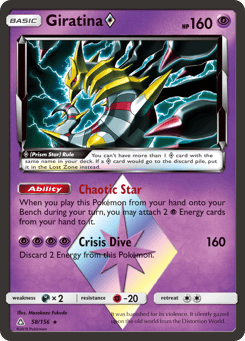
| Star, ◇ in the name | Prism Star | Sun & Moon, 2018 to 2019 |
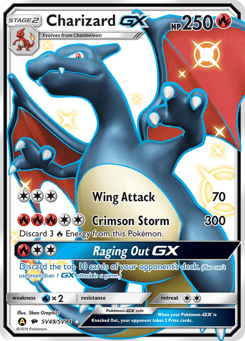
| Star, "SV" number prefix | Shiny | Hidden Fates and Shining Fates Shiny Vaults |
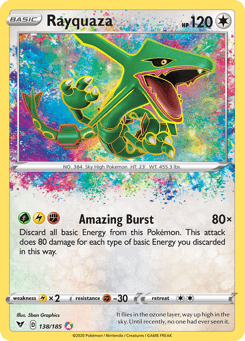
| Rainbow "A" | Amazing Rare | Sword & Shield, 2020 to 2021 |
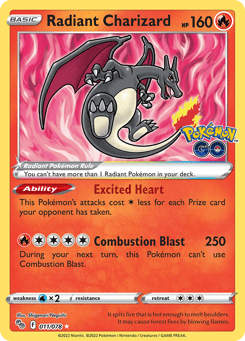
| Star, "Radiant" in the name | Radiant Rare | Sword & Shield, 2022 to 2023 |
| "TG" or "GG" number prefix | Trainer Gallery | Sword & Shield, 2022 to 2023 |
| Two black stars | Double Rare | Scarlet & Violet onward |
| Two silver stars | Ultra Rare | Scarlet & Violet onward |
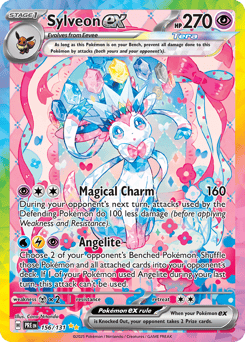
| One gold star | Illustration Rare | Scarlet & Violet onward |
| Two gold stars | Special Illustration Rare | Scarlet & Violet onward |
| Three gold stars | Hyper Rare | Scarlet & Violet, 2023 to 2025 |
| Outline of one or two gold stars | Shiny Rare / Shiny Ultra Rare | Paldean Fates, 2024 |
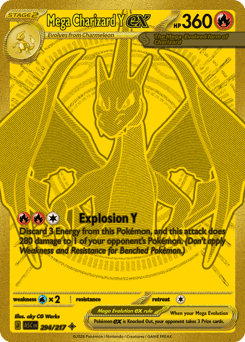
| Unique gold symbol | Mega Hyper Rare | Mega Evolution, 2025 onward |
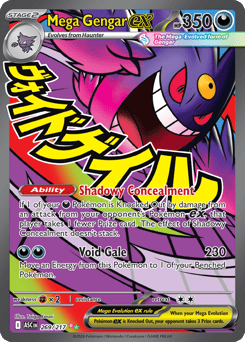
| One pink and one green star | Mega Attack Rare | Ascended Heroes, 2026 |
Where to find the rarity symbol
Flip the card face up and look along the bottom edge. On nearly every English card the rarity symbol sits right beside the collector number, the two numbers with a slash between them, such as 4/102. Wizards of the Coast cards from 1999 to 2003 print the number and symbol at the bottom right. Later cards moved them around, and Scarlet & Violet cards put them at the bottom left, next to a small letter that shows which rotation block the card belongs to.
Three other marks live nearby, and people mix them up with the rarity all the time:
- The set symbol. A small icon, usually on the right side of the artwork frame, telling you which expansion the card came from. Base Set cards don't have one at all. Our set list has every English set in release order.
- The 1st Edition stamp. A black circle with a "1" and the word "Edition", just below the artwork on the left side of early Wizards cards. It marks the first print run, not a rarity tier. Our guide to 1st Edition Pokémon cards covers how much it adds, and 1st Edition vs Shadowless vs Unlimited compares all three Base Set printings.
- The regulation mark. A letter in a white box on modern cards, used for tournament legality. It has nothing to do with rarity.
On dark or full-art cards the symbol is often printed in white or silver so you can see it. A white star on a black card is the same rarity as a black star on a white card. On some full arts and secret rares the silver star almost disappears into the foil. Tilt the card under a lamp and it'll show.
Pokémon card rarity symbols explained: circle, diamond and star
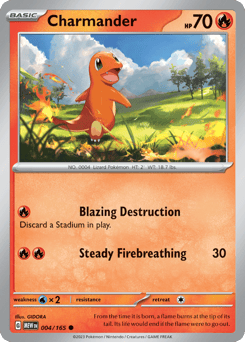
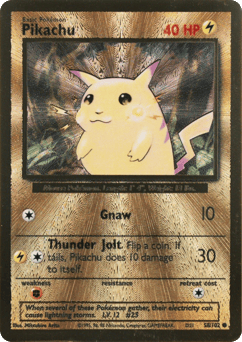
Common (●). The bottom rung. A modern booster pack holds several commons, which is why every binder is full of them. Most are worth next to nothing. The exception is old commons from the first Wizards sets, which can sell for real money in high grade. Pikachu (Base Set) is a common, and a PSA 10 copy is worth far more than most modern ultra rares.
Uncommon (◆). The second rung, three or more per modern pack. Uncommons are mostly middle-stage evolutions and Trainer cards.
Rare (★). The third rung. Every booster pack has at least one card at Rare or higher. Before 2023, that single black star covered both plain rares and holo rares, so the star on its own doesn't tell you whether the card is foil.
Promo. Promos were handed out at events, packed in boxes and tins, given away at movie screenings and through restaurants. Most English promos carry a black star with "PROMO" written on it. They sit outside the pack ladder entirely, which means a promo can be as common as dirt or one of the scarcest cards ever printed. Our Wizards Black Star Promos page lists the earliest ones.
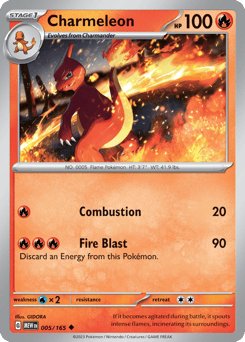
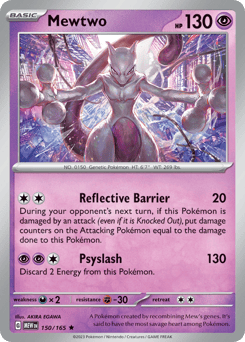
Here's the bottom of the ladder in practice. The first three are from 151: a common Charmander (151), an uncommon Charmeleon (151) and a plain rare Mewtwo (151). Next to them is that 1999 common Pikachu, which shows how little the symbol alone tells you about price.
Holo, reverse holo and foil: finish is not rarity
A shiny card isn't automatically a rare card. Finish and rarity are two separate things, and there are three finishes worth knowing:
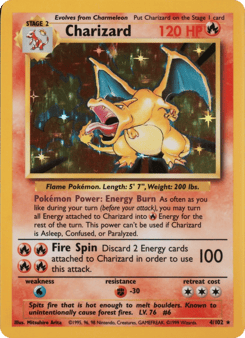
- Holo. Only the artwork box is foil. This is the classic 1999 look, and before 2023 the tier was officially called Holo Rare. Charizard (Base Set) is the one everybody knows.
- Reverse holo. Everything except the artwork box is foil. Reverse holos exist for commons, uncommons and rares in most sets since 2002, so a shiny card can still be a common. Our explainer on what a reverse holo Pokémon card is goes into which ones sell.
- Full art and textured foil. The artwork covers the whole card and the foil is often etched with a raised texture you can feel with a thumb. Full arts started in the Black & White era and are usually Ultra Rare or higher.
Most reverse holos from 2010s sets are bulk, and that's fine; they're nice binder filler. When you check a card's value, look up the exact finish. A reverse holo and a regular copy of the same card sell for different prices, and our card pages list them separately wherever the market treats them as different cards.
Compare the holo window on the Base Set Charizard with a modern full art, Charizard ex (151), where the art runs edge to edge and the texture is part of the design.
Rarity by era
Rarities have shifted a lot since 1999. The same star can mean something different depending on when the card was printed, so it helps to know which era you're holding. Our era pages group every set by the generation of games it belongs to.
Wizards of the Coast era (1999 to 2003)
The original Base Set used only the circle, diamond and star. Rares came in two versions, a plain rare and a holo rare with a foil artwork box, and both used the same black star. The first print run carried the 1st Edition stamp, and an early unlimited run lacked the drop shadow on the right side of the artwork frame; our guide to shadowless Pokémon cards shows how to spot it.
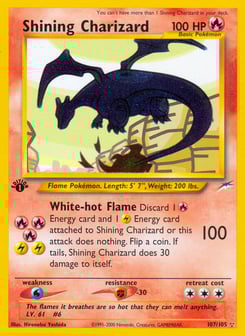
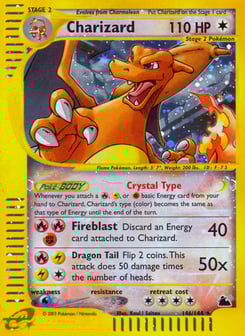
Neo Revelation and Neo Destiny added the first Shining Pokémon: shiny-colored Pokémon with "Shining" in the name and collector numbers above the printed set total. Shining Charizard (Neo Destiny) is numbered 107/105, which makes it a secret rare as well. The last Wizards sets, Aquapolis and Skyridge, added Crystal-type secret rares such as Charizard (Skyridge). Those are some of the hardest vintage cards to find in high grade, and the prices show it. If you have a stack of cards from this era, our guide to old Pokémon cards worth money is the next thing to read.
EX era (2003 to 2007)
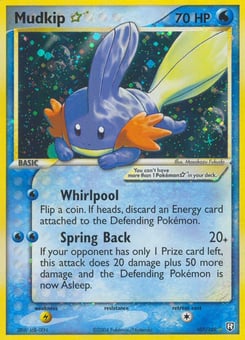
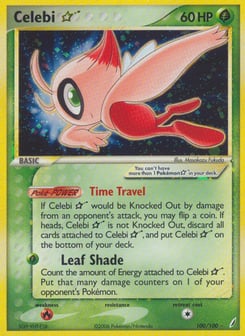
The EX era brought in Pokémon-ex, holo cards with a lowercase "ex" after the name and more HP than a normal card. It also brought Gold Star cards: shiny-colored Pokémon with a small star (☆) after the name. There were only two or three per set, and they were the hardest pulls of their day. Mudkip ☆ (Team Rocket Returns) from Team Rocket Returns sells for about $4,891 ungraded, and Celebi ☆ (Crystal Guardians) from Crystal Guardians reaches about $78,000 in a PSA 10. Don't confuse these with modern gold cards; our guide on whether gold Pokémon cards are worth anything untangles the two.
Diamond & Pearl, Platinum and HeartGold SoulSilver (2007 to 2011)
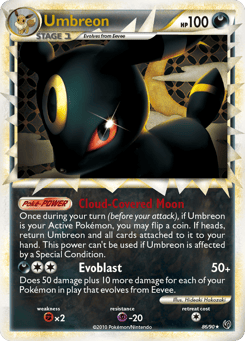
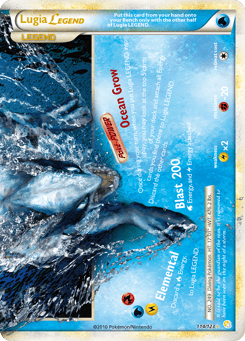
LV.X cards replaced Pokémon-ex. A LV.X card goes on top of the matching Pokémon in play, and it carries "LV.X" in the name. They ran from the first Diamond & Pearl set in 2007 to Arceus in 2009; Leafeon LV.X (Majestic Dawn) from Majestic Dawn is one of the priciest today. The HeartGold SoulSilver sets added Prime cards and two-part LEGEND cards, both short-lived. Umbreon (HS—Undaunted) is one of the Primes collectors chase hardest, and Lugia LEGEND (HeartGold & SoulSilver) is one half of a LEGEND pair.
Black & White and XY (2011 to 2016)
The Black & White era brought back EX in capital letters and introduced full art Ultra Rares, which use a single white or foil star. Secret rares in this era were often gold: gold-bordered Trainer and item cards with numbers above the set total. Late Black & White sets added the first ACE SPEC cards, powerful Trainers limited to one per deck, printed as their own rarity. The XY era kept EX, added Mega Evolution EX and BREAK cards, and kept the full art ladder.
This is the stretch where the single star started to strain. A regular holo, a full art EX and a gold secret rare could all show the same star, and you had to read the collector number to tell them apart.
Sun & Moon (2017 to 2019)
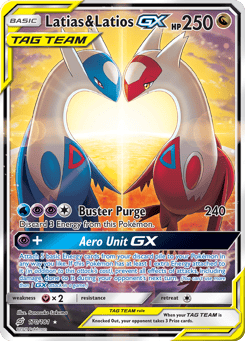
The Sun & Moon era swapped EX for GX and introduced Rainbow Rare secret rares, which reuse the full art's artwork with a rainbow color wash over it. Prism Star cards, marked with a ◇ after the name, were limited to one copy per deck and have a glittery foil you'll recognize once you've seen it; Giratina ◇ (Ultra Prism) from Ultra Prism is a typical one. Tag Team GX cards such as Latias & Latios-GX (Team Up) became the top chase cards of the era, and that alternate-art Tag Team sells for about $3,224 ungraded. Hidden Fates added the first Shiny Vault, a subset of shiny Pokémon numbered with an "SV" prefix, led by Charizard-GX (Hidden Fates Shiny Vault).
Sword & Shield (2020 to 2023)
The Sword & Shield era is where the old one-star system fell apart. V, VMAX and VSTAR cards, full arts, alternate arts, rainbow rares and gold secret rares all shared a single white star, so collectors made up their own names for the tiers. The era also added three short-lived rarities with a look all their own:
- Amazing Rare: non-rule-box Pokémon bursting out of a rainbow-foil frame, with a rainbow "A" as the rarity symbol. Found in Vivid Voltage and Shining Fates; Rayquaza (Vivid Voltage) is the priciest.
- Radiant Rare: shiny Pokémon with "Radiant" in the name and a distinctive foil, limited to one Radiant per deck. Astral Radiance through Crown Zenith, plus Pokémon GO, home of Radiant Charizard (Pokémon GO).
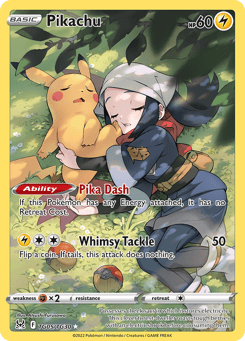
- Trainer Gallery: full-art subsets with "TG" collector numbers, showing Pokémon with their trainers. Brilliant Stars through Silver Tempest, followed by the Galarian Gallery ("GG") in Crown Zenith. Pikachu (Lost Origin Trainer Gallery) is a good example of the style.
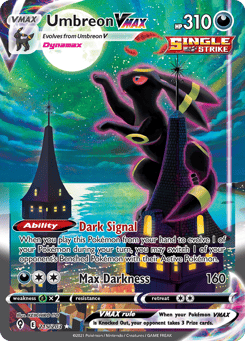
Alternate-art V and VMAX cards are the era's biggest cards. Umbreon VMAX (Evolving Skies) from Evolving Skies is the benchmark and sells for about $2,200 ungraded. You'll find the rest of the Umbreon VMAX cards on their own page.
Scarlet & Violet (2023 to 2025)
In March 2023 The Pokémon Company finally replaced the single star with a new set of icons, one per tier. This is the system most current cards use, and it's much easier to read:
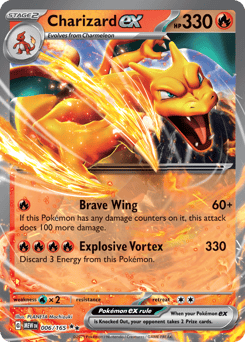
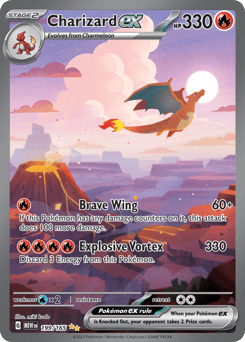
- Double Rare (two black stars): regular Pokémon ex. Charizard ex (151) is a typical example at about $10.02.
- Ultra Rare (two silver stars): full-art Pokémon ex and full-art Supporters.
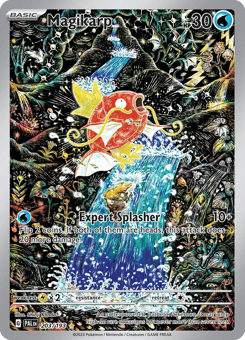
- Illustration Rare (one gold star): full-art alternate illustrations of regular Pokémon. Magikarp (Paldea Evolved) from Paldea Evolved is the most valuable, at about $375.
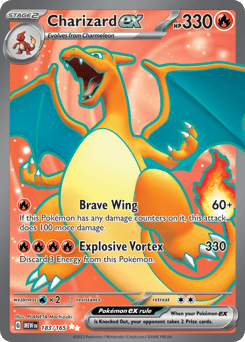
- Special Illustration Rare (two gold stars): alternate illustrations of Pokémon ex and Supporters, the top chase cards of most sets. Umbreon ex (Prismatic Evolutions) from Prismatic Evolutions sells for about $1,528. Our guide to what an SIR Pokémon card is explains why this tier gets all the attention.
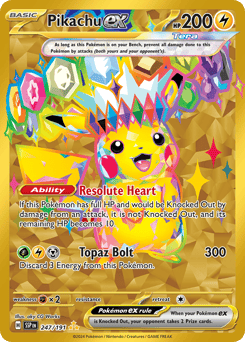
- Hyper Rare (three gold stars): gold cards with a gold border, the highest tier on the new ladder, such as Pikachu ex (Surging Sparks).
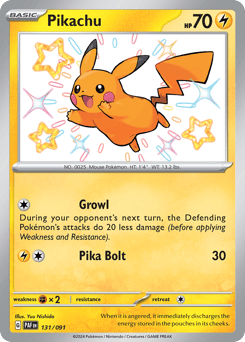
Paldean Fates added two more icons: an outline of a single gold star for Shiny Rare and an outline of two gold stars for Shiny Ultra Rare. Pikachu (Paldean Fates) is a Shiny Rare. Temporal Forces brought back ACE SPEC cards with a pink star symbol and a pink card design. Black Bolt and White Flare have no Hyper Rares; their top rarity is the Black White Rare, such as Zekrom ex (Black Bolt).
The Charizard ex cards from 151 make the ladder easy to see: the Double Rare, the Ultra Rare full art, and Charizard ex (151), the Special Illustration Rare, which sells for many times the other two. All three are listed with the rest of the Charizard ex cards.
Mega Evolution (2025 onward)
The Mega Evolution era keeps the Scarlet & Violet icons but replaced Hyper Rare with the Mega Hyper Rare: a gold, embossed card of a Mega Evolved Pokémon with its own rarity symbol. Most sets have only one or two. CGC reports pull rates as low as one in 1,260 packs. Mega Charizard Y ex (Ascended Heroes) from Ascended Heroes is currently worth about $405 ungraded. Ascended Heroes in January 2026 also added Mega Attack Rares, full-art Mega Pokémon with the name of their attack written in kanji, marked by one pink and one green star. Mega Gengar ex (Ascended Heroes) is the priciest of that group right now.
Secret rares and the collector number
A secret rare is any card whose collector number is higher than the set total printed on the card. Neo Destiny's list stops at 105, so the Shining Charizard at 107/105 is secret. "Secret rare" is a description, not an official rarity, and in modern sets almost every card above the set total is an Illustration Rare or higher.
The collector number is often the quickest read on rarity. If the first number is bigger than the second, you're holding one of the scarcer cards in the set. From there, check the finish and the symbol to narrow it down. This works on nearly everything from the e-Card era on, and it's the first thing to look at when you're sorting a pile fast.
Rarity is not the same as value
A higher rarity means a card was printed less often than other cards in the same set. It doesn't tell you what the card is worth, and a card with three gold stars can still be a slow seller. Four things move the price more than the symbol does:
- The Pokémon. Charizard, Pikachu, Umbreon, Gengar and Mew sell for more than other Pokémon of the same rarity. Our rankings of the most valuable Charizard cards, most valuable Pikachu cards and most valuable Umbreon cards show how wide that gap is.
- Age. Older sets had smaller print runs, and far fewer copies survived in good shape.
- Condition and grade. A PSA 10 can sell for many times the raw price. See our guide to PSA 10 Pokémon cards and the PSA grading scale.
- The set. A Special Illustration Rare from a small, hyped set can outsell one from a large set by a wide margin.
Our explainer on what makes a Pokémon card valuable goes through each of these, and rare Pokémon cards worth money lists the high-rarity cards that actually sell. For a quick answer on one card, search it on our card price pages, and read how we price to see how we build prices from recorded sold listings. For the far end of the scale, our guide to the rarest Pokémon cards covers cards that were never in packs at all.
Every rarity, with live card counts
The table below lists every rarity used on English cards, how many cards in our catalogue carry it today, and a link to the full price list for each one. Counts update with every set release.
| Rarity | English cards | Most valuable today |
|---|---|---|
| Common | 5,420 | – |
| Uncommon | 4,889 | – |
| Rare | 2,569 | – |
| Rare Holo | 1,621 | – |
| Promo | 1,351 | – |
| Rare Ultra | 799 | Latias & Latios-GX · $3,224 |
| Illustration Rare | 499 | Magikarp · $375 |
| Ultra Rare | 356 | Gengar ex · $64.05 |
| Rare Secret | 327 | Charizard · $9,704 |
| Double Rare | 325 | Greninja ex · $49.99 |
| Rare Rainbow | 324 | Umbreon VMAX · $2,200 |
| Rare Holo EX | 321 | – |
| Rare Holo V | 281 | – |
| Special Illustration Rare | 223 | Umbreon ex · $1,528 |
| Rare Holo GX | 168 | – |
| Rare Shiny | 149 | Eevee · $45.43 |
| Shiny Rare | 120 | Pikachu · $89.69 |
| Rare Holo VMAX | 110 | – |
| Trainer Gallery Rare Holo | 80 | Mew · $76.01 |
| Hyper Rare | 74 | Pikachu ex · $90.28 |
| Rare Holo LV.X | 57 | Leafeon LV.X · $781 |
| Rare Holo VSTAR | 43 | – |
| Rare Shiny GX | 35 | Charizard-GX · $707 |
| ACE SPEC Rare | 33 | Hero's Cape · $20.46 |
| Rare BREAK | 28 | – |
| Rare Prism Star | 27 | Giratina ◇ · $20.88 |
| Rare Prime | 27 | – |
| Classic Collection | 25 | – |
| Rare Holo Star | 25 | Rayquaza ☆ · $8,500 |
| LEGEND | 20 | – |
| Rare Shining | 16 | Shining Charizard · $2,415 |
| Radiant Rare | 15 | Radiant Charizard · $21.90 |
| Rare ACE | 13 | Scoop Up Cyclone · $13.26 |
| Shiny Ultra Rare | 12 | Mew ex · $40.22 |
| Pikachu Rare | 11 | – |
| Amazing Rare | 10 | Rayquaza · $28.93 |
| Mega Hyper Rare | 8 | Mega Charizard Y ex · $405 |
| Mega Attack Rare | 7 | – |
| Black White Rare | 4 | – |
| Futuristic Rare | 2 | – |
| Rare Holo ex | 1 | – |
| Holo Rare V | 1 | – |
| Holo Rare VMAX | 1 | – |
| Holo Rare VSTAR | 1 | – |