What prices have done since 2022
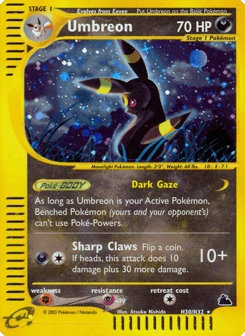
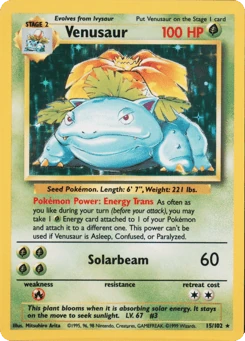
We track two indexes. The Vintage 100 follows the 100 most valuable ungraded English cards from the Wizards of the Coast era (1999 to 2003). The Modern 100 does the same for Sword & Shield onward. Both start at 100 in January 2022, and the table below reads straight from them.
From January 2022 to July 2026, the Vintage 100 moved +97% and the Modern 100 moved −19%.
| Index | Since January 2022 | Last 12 months | From its peak |
|---|---|---|---|
| Vintage 100The 100 most valuable ungraded English cards from the Wizards of the Coast era (1999–2003). | +97% | +89% | At its peakJuly 2026 |
| Modern 100The 100 most valuable ungraded English cards from Sword & Shield on (2020 to today). | −19% | +31% | −19%peak January 2022 |
Ungraded prices, before buying and selling costs, through July 2026. Past moves say nothing certain about future ones. How the indexes are built: Pokémon card index.
Vintage and modern cards are different things to hold. Vintage cards stopped being printed decades ago, and every year a few more copies are lost, damaged or locked away in slabs. Modern cards are printed in huge numbers, and supply keeps growing for as long as a set stays on shelves. That's the main reason the two lines look so different.
Why most new cards lose value first
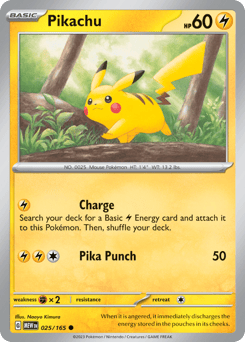
A new set's chase cards are at their most expensive in the first weeks. Everyone wants one, and few copies have been opened yet. Then the boxes keep coming. Prices for most cards drift down as supply catches up, and only some recover once the set goes out of print. Our best Pokémon packs to buy guide shows the other side of this. On an average pack of any recent set, the cards inside are worth less than the pack costs.
If you're buying a modern card because you love it, none of this matters much. If you're buying it hoping it will be worth more, the pattern above is the thing to plan around.
The costs nobody puts in the headline
A card that's "up 50%" isn't 50% profit. Between buying and selling, money leaks out at every step.
- Selling fees. eBay's final value fee on trading cards is about 13% for most US sales, before shipping. Auction houses charge sellers and buyers their own premiums. Where to sell Pokémon cards compares them.
- Grading. Sending a card to PSA costs a fee per card plus shipping and insurance, and the card may come back lower than you hoped. PSA grading cost has the current fees and the break-even sums.
- The spread. You buy at what sellers ask and sell at what buyers will pay. On a thin market that gap can be large.
Put together, a card often has to rise by a fifth or more just to get your money back.
Graded, ungraded and sealed
The three behave differently.
Graded cards. A PSA 10 of a scarce card can sell for many times the ungraded price. The premium is largest where 10s are rare, and it can shrink fast if PSA grades many more copies. See PSA 10 Pokémon cards for how big the gap is today.
Ungraded cards. These are the easiest to buy and sell, and the indexes above track them. Condition is the risk. An ungraded card is only worth what the buyer believes its condition to be.
Sealed product. Booster boxes and other sealed items are bought by people who hope to sell them later, so a set's sealed price can climb once it stops being printed. It's also where reprints hurt most. If The Pokémon Company prints more of a product, its price can fall overnight.