What a PSA 10 is
PSA grades cards on a 1 to 10 scale, after first confirming a card is authentic and hasn't been trimmed, recolored or otherwise altered. PSA's own definition of a Gem Mint 10 is "a virtually perfect card": four sharp corners, sharp focus, full original gloss and no staining. PSA allows a slight printing imperfection if it doesn't hurt the card's overall appeal. Centering has to be within about 55/45 on the front and 75/25 on the back. Our PSA grading scale explainer covers the other nine grades.
In practice that means four things have to be right at once:
- Centering. The borders must be close to even on the front. A card that's noticeably shifted to one side can't be a 10, however clean it is. Measure the left border against the right, then the top against the bottom.
- Corners. No whitening, softening or dings on any of the eight corners, front and back.
- Edges. No chipping or whitening along the edges. On Pokémon cards the blue back border shows every nick, and on a vintage card that border has usually been handled a lot.
- Surface. No scratches, dents, print lines or fingerprints. Holo and full-art cards show surface wear easily under a light, so tilt the card and look before you decide it's clean.
Once graded, PSA seals the card in a tamper-evident plastic case with a label showing the grade and a unique certification number. That number is how you check a slab is real, which matters a lot when you're the one buying.
A graded Pokémon card, in general, is any card sealed and graded by a third-party company such as PSA, CGC, Beckett or TAG. PSA 10 is the most traded grade, and the one most price guides quote first. If you've never submitted a card, how Pokémon card grading works explains the process from start to finish.
Why PSA 10s sell for so much more
The condition cliff
The gap between a 9 and a 10 is often tiny to the eye: a hair of whitening on one back corner, or centering that's 60/40 instead of 55/45. Buyers pay for certainty, though, and a 10 is the only grade that says a card couldn't be in better shape. A small physical difference turns into a big price difference.
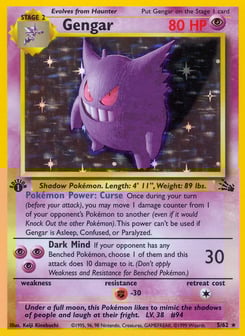
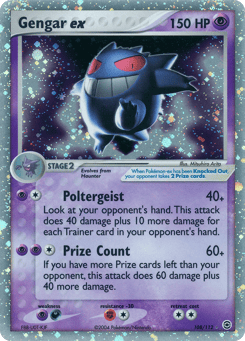
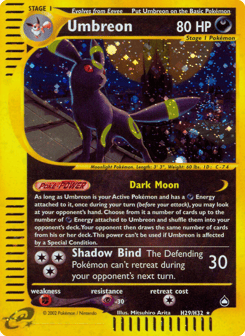
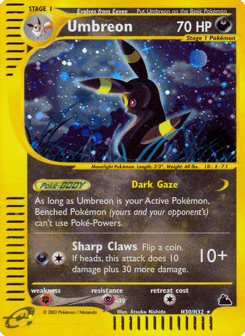
Look at Gengar ex (FireRed & LeafGreen) from FireRed & LeafGreen. It sells for about $2,053 ungraded and about $20,278 as a PSA 9, but about $95,100 as a PSA 10. Umbreon (Aquapolis) from Aquapolis shows the same pattern: about $6,440 in a PSA 9 slab, about $41,650 in a PSA 10. Hold two copies of either card side by side and you'd struggle to say which one deserves the extra money.
Supply: how many 10s exist
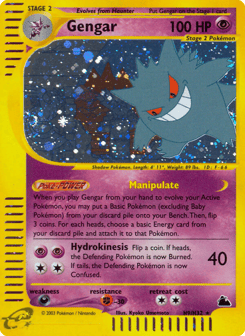
For older cards, the number of copies that survived in gem condition is small. Cards from 1999 to 2007 were opened mostly by children, played with and stored loose in shoeboxes and binders, long before grading was common. Many holos that did survive were never well centered to begin with. So the supply of PSA 10s for a card like Gengar (Skyridge) is a fraction of the supply of lower grades, and collectors who want the best copy compete for very few.
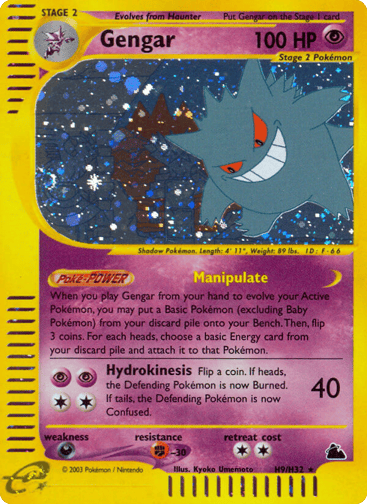
PSA publishes a Population Report on psacard.com that counts how many copies of each card it has graded at each grade. A low PSA 10 population relative to the total graded is the clearest sign that a 10 will stay scarce. It won't tell you how many ungraded gem copies are still sitting in binders, which is the one number nobody has.
Modern cards are different. Sets from the Sword & Shield and Scarlet & Violet eras were printed in large numbers on better stock, and collectors now grade cards straight from the pack. PSA 10 populations for popular modern cards are large. That is why the PSA 10 premium on a modern card is usually a few multiples of the raw price rather than tens of multiples. If you're pulling from current packs, the guide to whether new Pokémon cards are worth anything is worth reading before you plan a submission.
Demand: who buys 10s
A lot of PSA 10 demand comes from collectors building complete graded sets, often through PSA's Set Registry, and from buyers who treat top-grade cards as long-term holds. Both groups want the best available copy and are less sensitive to price than someone buying a card to play with or display. A set builder missing one card will pay what it takes to finish.
The most valuable PSA 10 Pokémon cards
This list is built every day from recorded sold listings for English cards. It ranks cards by their current PSA 10 price and only includes prices backed by enough recent sales.
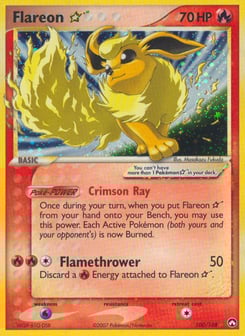
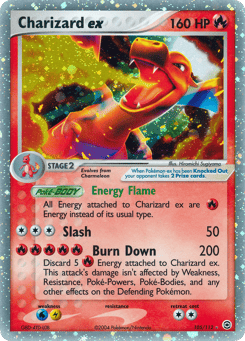
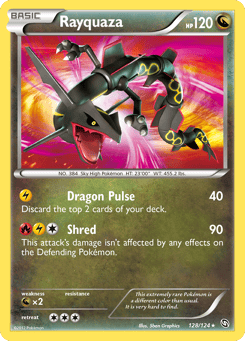
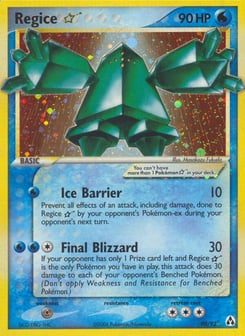
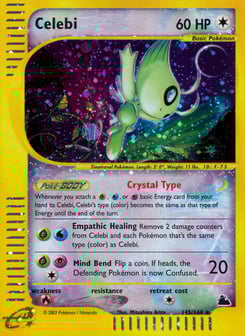
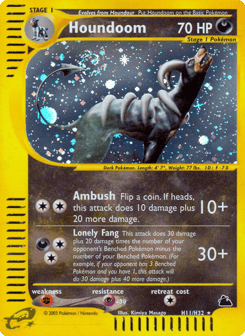
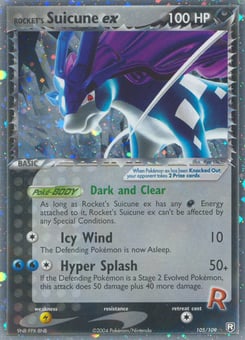
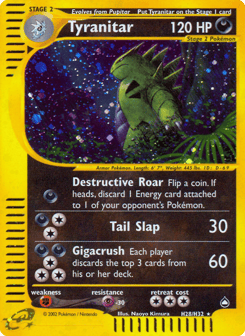
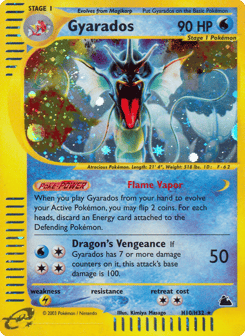
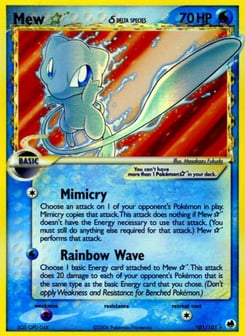
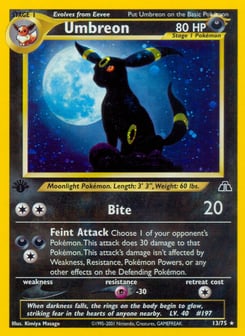
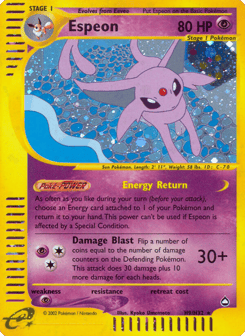
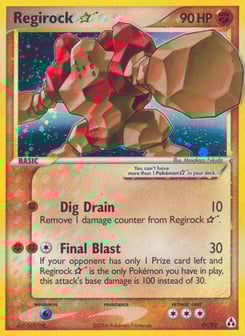
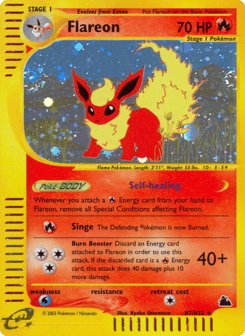
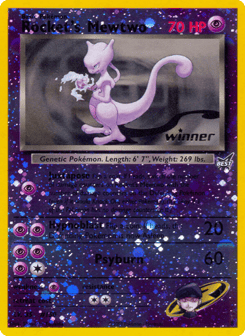
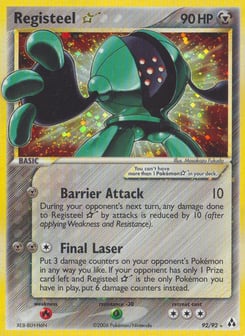
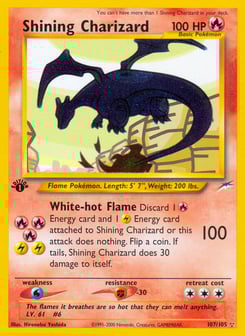
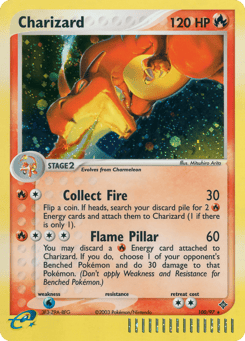
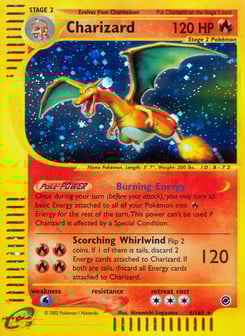
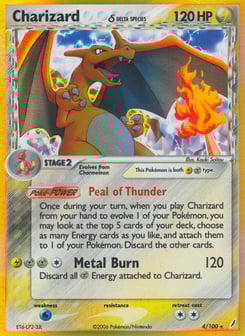
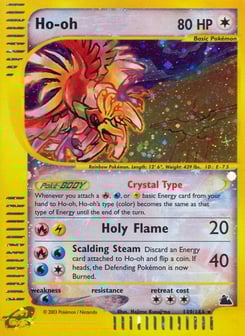
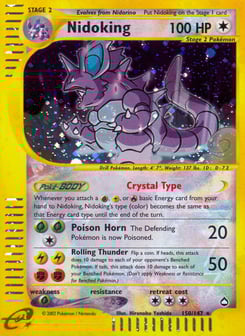
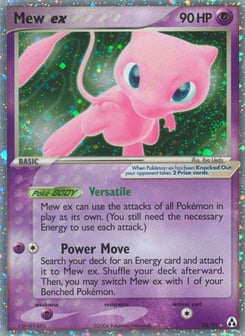
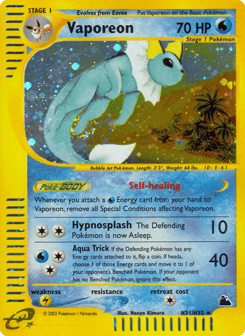
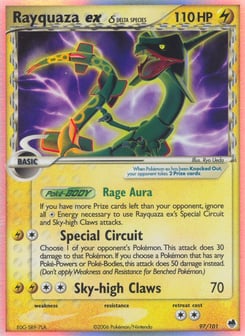
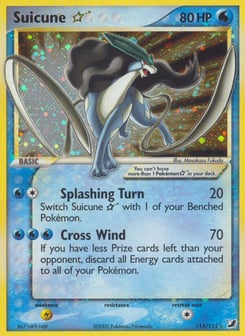
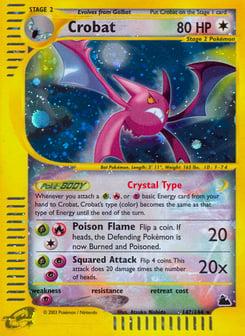
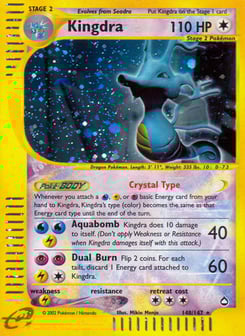
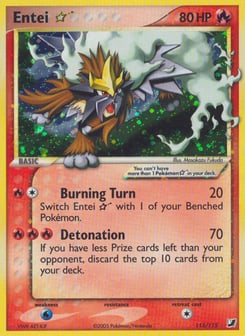
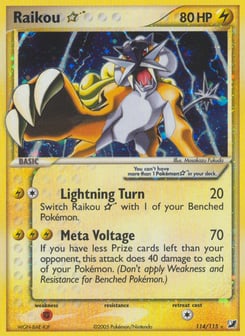
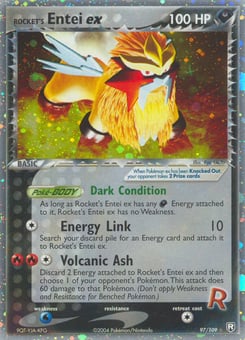
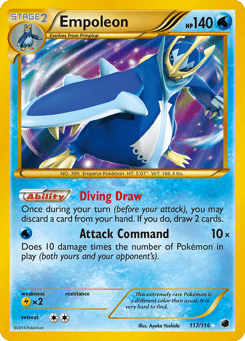
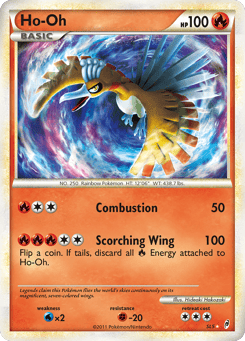
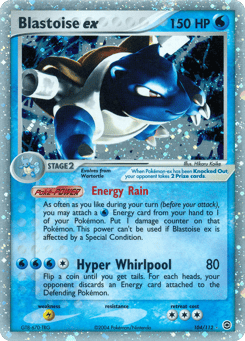
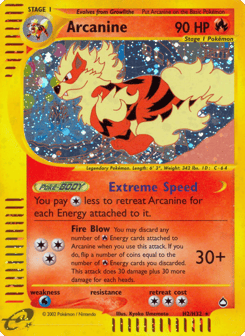
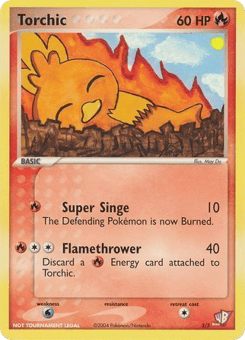
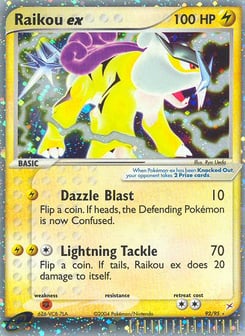
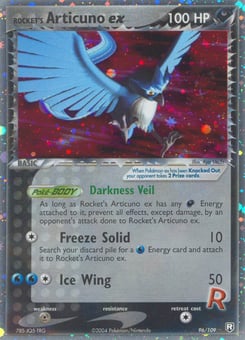
A few patterns show up near the top of the list, and they say a lot about where gem copies are hard to find.
e-Card era holos. The Aquapolis and Skyridge sets from 2003 were the last English sets Wizards of the Coast produced, and their "H" numbered holos are some of the hardest cards to find in gem condition. Umbreon (Skyridge) sells for about $100,000 as a PSA 10, against about $13,675 as a PSA 9. Browse the full set at Skyridge or see the ranking of the most valuable Skyridge cards. Two of the e-Card cards on this page are Umbreon, and that's no accident; our Umbreon rankings show how far the character's premium reaches.
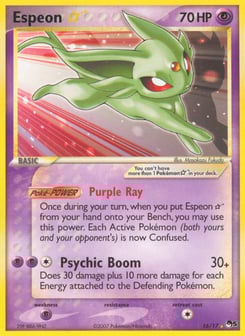
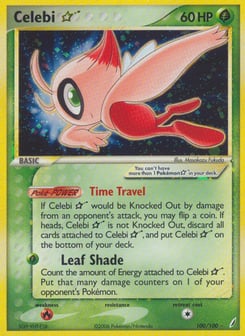
Gold Stars. The Gold Star cards from the EX era were pulled at very low rates and are prized in any grade. Celebi ☆ (Crystal Guardians) from Crystal Guardians sells for about $78,000 as a PSA 10. Among the POP Series promos, Espeon ☆ (POP Series 5) from POP Series 5 sells for about $127,500 in a PSA 10 and about $15,351 in a PSA 9. Our EX era page covers every set from that period.
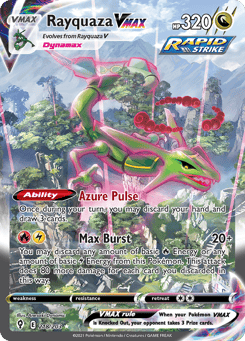
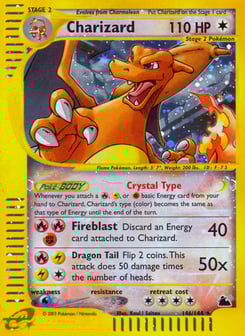
Early secret rares. Charizard (Dragon) is a secret rare from the 2003 Dragon set that sells for about $23,786 as a PSA 10. Rayquaza (Dragons Exalted) from 2012 sells for about $40,123, which shows the same scarcity effect reaching into the Black & White era. Gold borders make any edge wear easy to spot, and edge wear is exactly what keeps a card out of a 10.
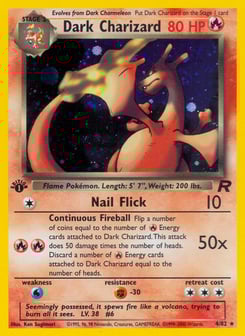
Wizards-era 1st Editions. Dark Charizard (Team Rocket) from Team Rocket sells for about $10,800 in a PSA 10, and Umbreon (Neo Discovery) from Neo Discovery for about $26,099. For these cards the printing matters as much as the grade; see 1st Edition Pokémon cards for how to tell the printings apart, the comparison of 1st Edition vs Shadowless vs Unlimited for Base Set, and our Wizards of the Coast era page for every set from 1999 to 2003.
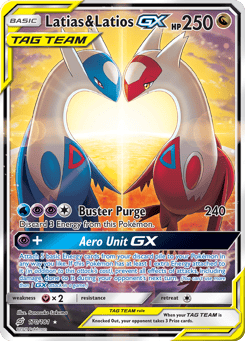
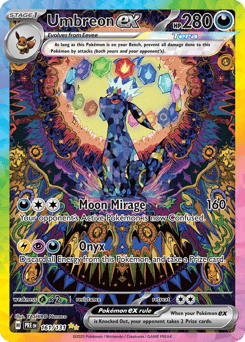
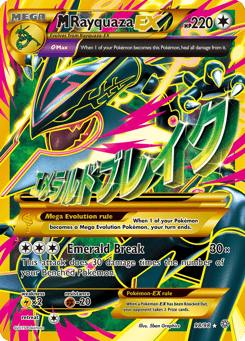
Modern chase cards. Modern cards reach the list on demand rather than scarcity. Latias & Latios-GX (Team Up) from Team Up sells for about $15,750 as a PSA 10, and Umbreon ex (Prismatic Evolutions) from Prismatic Evolutions for about $5,575. That Umbreon is a special illustration rare, the rarity that now leads most modern price lists. M Rayquaza-EX (Ancient Origins) from Ancient Origins sells for about $10,101 even though it's one of the more commonly graded cards of the XY era.
The single most expensive Pokémon card ever sold is a PSA 10 Pikachu Illustrator, a 1998 Japanese prize card from a CoroCoro Comic illustration contest. It is the only copy PSA has graded a 10, and it sold for $16,492,000 at Goldin in February 2026, according to Guinness World Records. It isn't an English card, so it isn't in our price guide; our most expensive Pokémon cards ever sold page covers it and other record sales. For the English cards at the top of every grade, not only PSA 10, see the most valuable Pokémon cards ranking.
PSA 10 vs PSA 9: how big is the gap?
The gap varies more by card than by era. Taking every English card where we have reliable PSA 9 and PSA 10 prices, the typical (median) PSA 10 sells for roughly:
- four times the PSA 9 price for Wizards of the Coast era cards (1999–2003),
- five times for EX era cards (2003–2007),
- three to four times for Sword & Shield and Scarlet & Violet cards.
In the Wizards and EX eras, about a quarter of cards show a gap of six times or more. Those are usually the cards where almost every surviving copy has a flaw, or where a flaw is especially easy to see, such as holo scratches or off-center borders. On some popular modern cards the PSA 9 price sits close to, or even below, the raw price. That sounds wrong until you remember that a raw buyer is betting the card might be a 10, and a PSA 9 slab has already settled that bet.
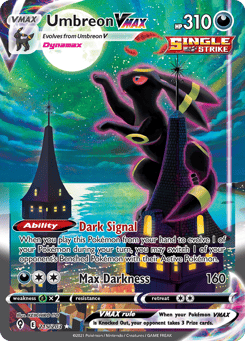
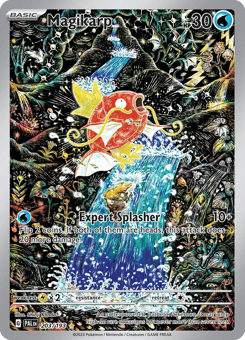
Umbreon VMAX (Evolving Skies) from Evolving Skies is a modern example. It sells for about $4,050 as a PSA 10 and about $2,095 as a PSA 9, against about $2,200 raw. Magikarp (Paldea Evolved) from Paldea Evolved, by contrast, sells for about $4,125 in a 10 and about $520 in a 9, a much wider spread for a card from 2023.
For buyers, a 9 is often the value grade, giving you most of the eye appeal for a fraction of the price. If you want a card for the binder rather than the registry, that's where we'd look first. For sellers, it means a card that comes back a 9 instead of a 10 can lose most of the value you were counting on. Each card page on Ultraball shows raw, PSA 9 and PSA 10 prices side by side, so you can check the spread before you buy or submit. You can also browse all cards or all sets, and our how we price page explains how graded prices are kept separate by grader and grade.
How to buy a PSA 10 Pokémon card safely
- Check the certification number. Every PSA slab has a cert number on the label. Enter it in PSA's Cert Verification tool on psacard.com and confirm the card, set, year and grade match the listing. PSA now images every card it grades, so recent certs usually show photos of the card; compare them with the seller's photos.
- Look at the slab itself. Genuine PSA cases are sonically sealed. Signs of tampering include a warped or cloudy case, uneven seams, a label that doesn't sit straight, or a font that looks off. Buy from sellers who show clear photos of both sides and the label.
- Compare with sold prices, not asking prices. Listings for PSA 10s are often priced well above what the card actually sells for. Check the PSA 10 price on the card's page here, which comes from sold listings, before you make an offer. The price checker guide shows how to find the right card and printing.
- Know the printing. A 1st Edition and an unlimited copy of the same card are different cards with very different PSA 10 prices. The label names the printing; make sure it matches what you're paying for. For Base Set cards, also check for the Shadowless printing.
- Judge the card, not just the number. Two PSA 10s of the same card can differ in centering and eye appeal. Well-centered copies often sell for more, so look at the borders in the photos rather than trusting the label alone.
- Be careful with private deals. Pay through a method with buyer protection, and never accept "slab only" photos without a verifiable cert.
If you want to understand how counterfeit raw cards are spotted before they reach a slab, read how to tell if Pokémon cards are fake. The recent big graded sales are on our top sales page if you want a sense of what's changing hands.
Should you grade your own cards to chase a 10?
Only if the numbers work. Grading costs money and time, and most cards don't come back 10s. A card is worth sending when the price you can expect across the likely grades, minus the fee, shipping and selling costs, beats its raw price. Be honest about the "likely grades" part. If your copy has a whitened back corner, plan for a 9 or lower, not a 10.
Our guide to PSA fees and the break-even maths walks through that maths with real prices, is it worth grading Pokémon cards covers the judgment calls, how to get a Pokémon card graded takes you through the submission, and the Pokémon card price checker guide shows how to find what your cards are worth first. Grading apps on your phone can help you sort a stack, but read our look at AI grading apps before you rely on one. And when a slab does come back a 10, the guide on where to sell Pokémon cards cover the options.