Three kinds of "gold" Pokémon card
When people say "gold Pokémon card" they usually mean one of these:
- Official gold cards from packs. Real cardboard cards printed by Pokémon with gold foil across the whole card. These go by different rarity names depending on the era: gold secret rares in Black & White, Sun & Moon and Sword & Shield, and Hyper Rares from Scarlet & Violet on.
- Gold Star cards. Not gold-colored at all, confusingly. These are 2004 to 2007 holos with a small star after the Pokémon's name, and they're among the most valuable cards of that decade.
- Metal and gold-plated cards. A few were official, like the 1999 Burger King cards and the metal cards in some premium boxes. Most of what you see sold as "gold Pokémon cards" online is unofficial and made to look expensive.
The prices for each group are wildly different, so it pays to be sure which one you have.
Gold Star cards (2004 to 2007)
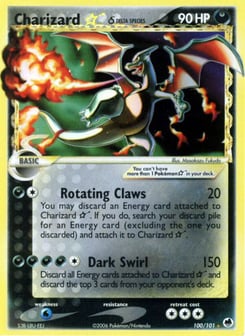
If a relative has an old binder with a card whose name ends in a little star, stop and look carefully. Gold Star cards were printed in English sets from Team Rocket Returns in 2004 through Power Keepers in 2007, plus the POP Series 5 promo packs. Most sets had only two or three, the Pokémon is drawn in its shiny colors, and the odds of pulling one were brutal.
They're the gold cards that command serious money. Charizard ☆ δ (Dragon Frontiers) from Dragon Frontiers sells for about $6,351 ungraded. From Holon Phantoms, Mewtwo ☆ (Holon Phantoms) sells for about $3,597 and Gyarados ☆ δ (Holon Phantoms) for about $3,003. Even the less famous ones hold up: Flareon ☆ (Power Keepers) runs about $1,868, and Celebi ☆ (Crystal Guardians) sells for about $2,033 raw and about $78,000 in a PSA 10.
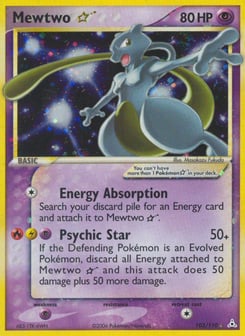
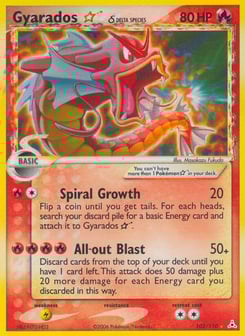
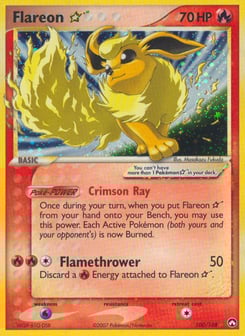
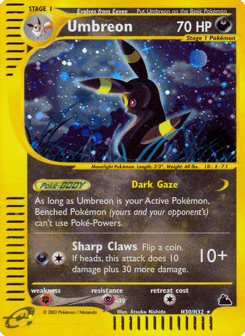
The POP Series 5 pair are a special case. Espeon ☆ (POP Series 5) came out of a promo pack, and a PSA 10 copy sells for about $127,500. Its partner Umbreon ☆ (POP Series 5) is the other one people hunt. Our Gold Star price list has every card, and the EX era page puts them in context with the rest of those sets.
Gold Stars are faked, so if you think you have one, check it against our guide on how to tell if Pokémon cards are fake before you get excited. Then think about grading; condition drives these prices hard.
Gold secret rares and Hyper Rares
This is where most real gold cards come from, and where expectations need managing. A gold card is always one of the rarest pulls in its set, but rarity and value aren't the same thing. A gold Pokémon people love sells well. A gold item card nobody collects can be worth less than lunch.
Black & White and Sun & Moon
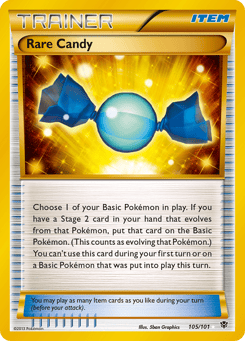
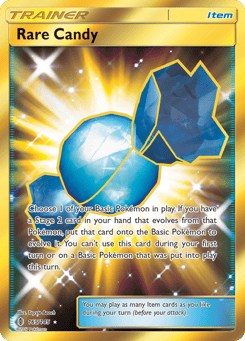
Gold item cards were a feature of the late Black & White sets, and some have aged very well. The gold Ultra Ball (Plasma Freeze) from Plasma Freeze sells for about $889, and the gold Rare Candy (Plasma Blast) from Plasma Blast for about $182. Both were cards players actually put in decks, and a well-loved staple in gold is the kind of card that holds its price.
Sun & Moon kept the idea going with gold items in most sets. Prices are more modest: Ultra Ball (Sun & Moon) sells for about $28.37 and the Guardians Rising Rare Candy (Guardians Rising) for about $25.65. Same card name as the Plasma Blast one, very different price.

Sword & Shield
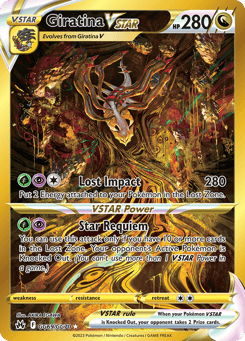
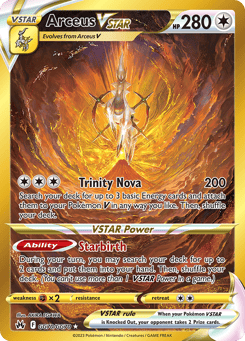
Sword & Shield put gold on Pokémon V and VSTAR cards as well as items. The best of them come from the Crown Zenith Galarian Gallery: Giratina VSTAR (Crown Zenith Galarian Gallery) sells for about $381 and Arceus VSTAR (Crown Zenith Galarian Gallery) for about $233. They're the gold Giratina VSTAR and Arceus VSTAR cards, and they're the gold cards from that era most collectors want.
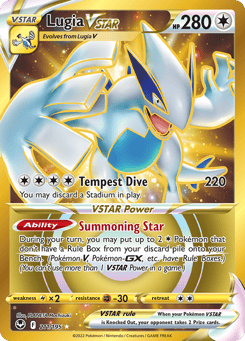
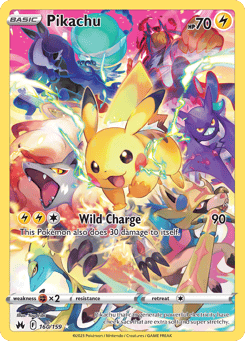
Elsewhere, Lugia VSTAR (Silver Tempest) from Silver Tempest sells for about $28.36, and the gold-bordered Pikachu (Crown Zenith) from Crown Zenith for about $53.28. Gold items from the same era, like Quick Ball (Sword & Shield) at about $14.86, are cheap by comparison.
Scarlet & Violet and Mega Evolution
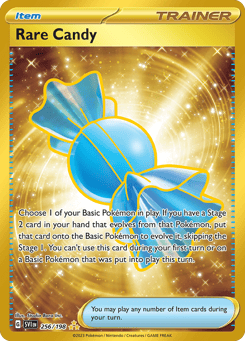
From Scarlet & Violet onward the gold card has its own name, the Hyper Rare, and its own symbol. Each set has only a handful. Here's the uncomfortable part: most of them sell for less than people expect. Collectors in this era chase painted Special Illustration Rares, not gold, so a gold Nest Ball (Scarlet & Violet) sells for about $3.63 and a gold Rare Candy (Scarlet & Violet) for about $4.97.
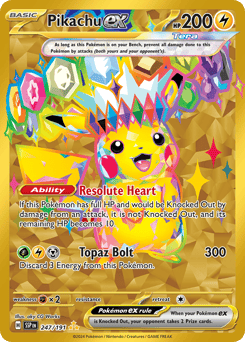
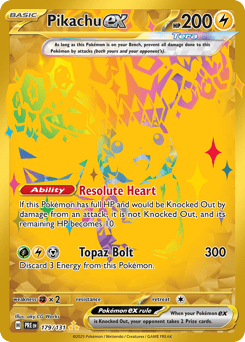
The exceptions are gold versions of Pokémon people love. Pikachu ex (Surging Sparks) from Surging Sparks sells for about $90.28, the Prismatic Evolutions Pikachu ex (Prismatic Evolutions) for about $66.12, and Charizard ex (Obsidian Flames) for about $40.03. Pikachu and Charizard do the heavy lifting, as usual; see the Pikachu ex and Charizard ex pages for the rest.
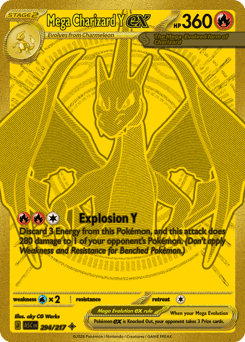
The Mega Evolution sets carry the gold card forward as the Mega Hyper Rare, and so far those have sold better. Mega Charizard Y ex (Ascended Heroes) from Ascended Heroes sells for about $405 and Mega Lucario ex (Mega Evolution) from Mega Evolution for about $253.
Official metal and gold-plated cards
Two official gold products turn up in closets more than any others.
The first is the 1999 Burger King set. To promote Pokémon: The First Movie, Burger King sold 23-karat gold-plated metal cards of six Pokémon: Charizard, Jigglypuff, Mewtwo, Pikachu, Poliwhirl and Togepi. Each came sealed in a plastic Poké Ball with a certificate of authenticity. They're real and they're nostalgic, but they turn up constantly and they aren't playable cards, so they sell for modest money. Having the Poké Ball and certificate helps. Ultraball doesn't price them, so check sold listings for the exact Pokémon.
The second is modern premium boxes. The Celebrations Ultra-Premium Collection from 2021 included metal versions of Base Set Pikachu and Charizard and a special gold Pikachu V. These are official collectibles tied to the Celebrations anniversary set, and they trade among collectors, but they're not pack pulls and they're not in our price guide.
Fake gold cards
The gold foil and gold metal "Pokémon cards" sold in decks of dozens on marketplaces aren't made by Pokémon. They're novelty items, and they have little to no resale value no matter how heavy or shiny they feel.
The tells are usually obvious once you know what a real card looks like:
- They're metal, plastic or thin foil, not cardboard. Official pack cards are always card stock, gold ones included.
- There's no real set symbol or card number, or the number doesn't match any English set. Real gold cards have a number above the set total, like 247/191.
- The text is wrong. Odd fonts, made-up attacks, spelling mistakes and impossible HP are common.
- The back is gold or blank instead of the standard blue Pokémon back.
- They came as a whole set at once. Real gold cards are among the hardest pulls in a set. Nobody gets a whole stack of them in one box.
If you have one of these, enjoy it as a toy. It won't sell like the real thing, and grading companies won't grade it.
How to value a gold card
- Check it's official. Card stock, standard back, a set symbol and a number. If it fails any of those, stop here.
- Identify the exact card. Use the name, the set symbol and the number. The number is the fastest way in; our price checker guide shows how to search by it.
- Look at condition. Gold cards show scratches, dents and edge wear easily, and the etched surface picks up marks. Prices on Ultraball are for near-mint copies; how we price explains what that means.
- Decide on grading only for the expensive ones. A Gold Star or a top Sword & Shield gold card can justify it. A few-dollar gold item can't. Our PSA grading cost guide shows where grading pays.
For more on what separates rare from valuable, see our guides on rare Pokémon cards worth money and Pokémon card rarity. Gold item cards are a big part of the trainer cards worth money story too.