What makes a card an SIR
Four things define a Special Illustration Rare:
- Two gold stars. The rarity symbol at the bottom left is a pair of gold stars. One gold star is an Illustration Rare; three is a Hyper Rare.
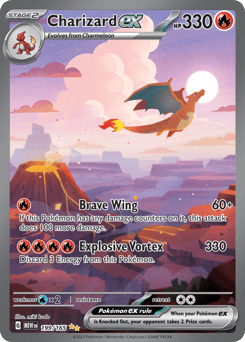
- A secret number. SIRs are numbered after the main set list, like 199/165. That puts them in the secret rare block at the end of the set.
- Full illustrated art. The artwork covers the whole card, usually as a scene: the Pokémon in its habitat, doing something, often with a lot going on in the background. The card text sits on top of the art instead of in a separate box.
- A premium subject. SIRs are alternate-art versions of Pokémon ex or of Supporter cards. The regular Pokémon get Illustration Rares instead.
They also have an extra layer of glitter foil on top of the texture, which is part of why they look so different in hand than in photos. Bulbapedia's SIR entry) describes it that way and lists every English SIR by set.
In Japanese sets the same tier is called Special Art Rare, marked SAR. When you see "SAR" in a listing, it's the Japanese counterpart of an SIR. Ultraball only prices English cards, so every SIR on this page is the English print.
How to tell if your card is an SIR
Three checks, in this order:
- Count the stars and check the color. Two gold stars means SIR. Two silver stars is an Ultra Rare, two black stars a Double Rare.
- Check the number. If the first number is bigger than the second, it's a secret rare. An SIR always is.
- Look at the art. An SIR's art fills the card and shows a scene. A full-art Ultra Rare also fills the card but usually shows the Pokémon on a plain textured background.
Surging Sparks has every step of the ladder for one Pokémon. The Double Rare Pikachu ex is the regular pack version. The Ultra Rare is the full art, and it sells for about $30.94. The Special Illustration Rare is the chase card at about $285. The gold Hyper Rare sits one rarity step above the SIR and sells for about $90.28.
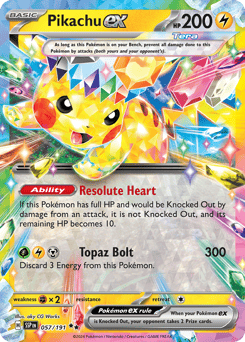
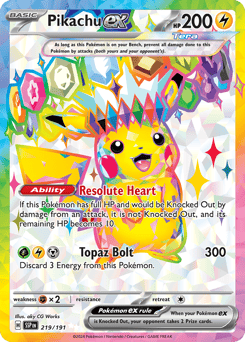
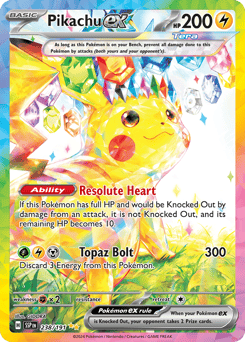
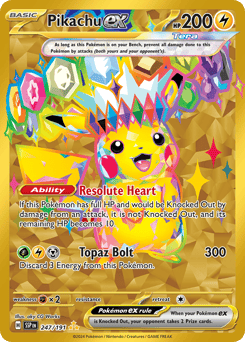
That last comparison is the one to remember. The Hyper Rare has more stars, and the SIR still sells for more.
SIR vs IR vs alt art vs Hyper Rare
Collectors throw these terms around interchangeably, and they're not the same thing.
| Term | Symbol | What's on it | Notes |
|---|---|---|---|
| Illustration Rare (IR) | One gold star | A regular Pokémon (not ex) in a full-art scene | Sometimes a whole evolution line drawn by one artist |
| Special Illustration Rare (SIR) | Two gold stars | A Pokémon ex or a Supporter in a full-art scene | Extra glitter foil layer |
| Hyper Rare (HR) | Three gold stars | A gold card: gold border, gold background | Ended with the 2025 sets; Mega Evolution sets use the Mega Hyper Rare instead |
| Alternate art ("alt art") | Varies | Unofficial fan term for a higher-rarity card with unique art | Covers Sword & Shield alt arts, IRs and SIRs |
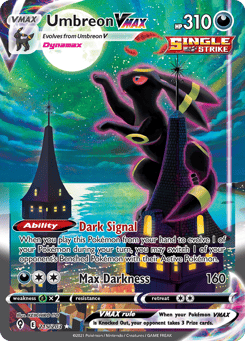
The alt art is the SIR's ancestor. In the Sword & Shield era, cards like the alternate-art Umbreon VMAX from Evolving Skies did the same job: a full scene, a popular Pokémon, a secret number. Collectors loved them, and when Scarlet & Violet reorganized the rarities in 2023, the idea got its own official tiers.
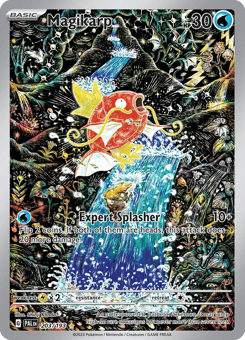
The IR is the SIR's little sibling. It uses the same full-scene style for ordinary Pokémon, and a few IRs sell for more than most SIRs. The Illustration Rare Magikarp from Paldea Evolved sells for about $375, which beats the large majority of SIRs ever printed. The Charizard ex SIR from 151 sells for about $414.
How rare are SIRs?
Pokémon doesn't publish official pull rates for English sets, so the best figures come from large opening samples. TCGplayer's Authentication Center opened more than 8,000 packs of Surging Sparks and published the rates:
- Any Illustration Rare: about 1 in 13 packs.
- Any Special Illustration Rare: about 1 in 90 packs.
- Any Hyper Rare: about 1 in 188 packs.
- One specific SIR, like the Pikachu ex: about 0.10% of packs, or roughly one in a thousand.
All three gold-star tiers compete for the same slot: the second reverse holo position in the pack. Most of the time that slot is a reverse holo. Occasionally it's an IR. Very occasionally it's an SIR or a gold card.
Here's the part that surprises people. Surging Sparks had 11 SIRs and six Hyper Rares, so card for card, a specific Hyper Rare was about as hard to pull as a specific SIR. The extra star doesn't mean extra scarcity for the card you actually want. It means the gold tier had fewer cards in it.
Special sets can change the math. Prismatic Evolutions had no Illustration Rares and 32 SIRs, and TCGplayer's Prismatic Evolutions sample found about one SIR per 45 packs, twice as often as Surging Sparks. With so many SIRs in the set, though, their odds of pulling the Umbreon ex specifically came out at 0.07% per pack.
Why SIRs are worth so much
Scarcity is only part of it. An SIR combines three of the things that drive price most:
- The art. SIRs are the showcase cards of each set. A lot of collectors buy them the way people buy prints, for the picture first and the game second.
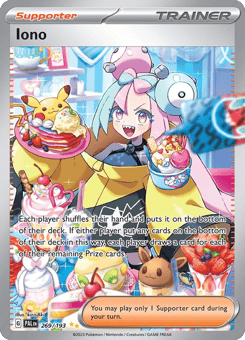
- The Pokémon. SIRs go to the ex Pokémon each set is built around, which are usually fan favorites, plus popular human characters on the Supporter SIRs, like Iono.
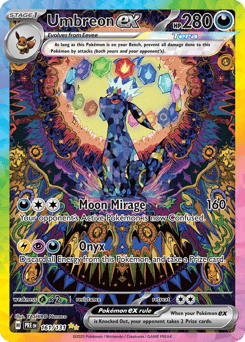
- Condition. Full-art cards show edge wear and whitening badly, and the texture picks up scratches. Clean copies earn a real premium in a slab. The Umbreon ex SIR sells for about $1,528 raw and about $5,575 in a PSA 10.
Across our catalogue, the typical SIR sells for roughly three times the typical Illustration Rare and several times the typical Hyper Rare. Our guide to what makes a Pokémon card valuable goes through the same factors for every kind of card.
Not every SIR is valuable
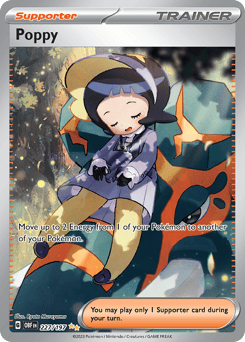
It's easy to assume two gold stars means money. It doesn't always. SIRs of Supporters nobody remembers, and of Pokémon without much of a fan base, can sell for less than a booster pack. The Poppy SIR from Obsidian Flames sells for about $3.19, and the Jacq SIR from the first Scarlet & Violet set for about $4.04.
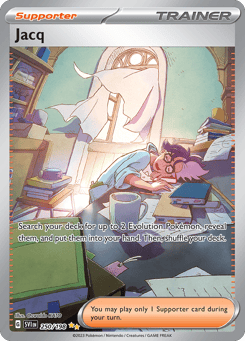
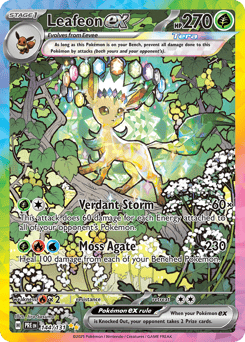
Even within one set the spread is huge. In Prismatic Evolutions, the Leafeon ex SIR sells for about $320, a fraction of the Umbreon, though both came from the same packs at the same rarity. If you pulled an SIR, check the specific card before you celebrate or sell. The Special Illustration Rare page lists every English SIR, most valuable first.
SIRs collectors chase
These are some of the SIRs that set the market, with today's ungraded prices:
- Umbreon ex (Prismatic Evolutions) from Prismatic Evolutions, about $1,528. The Eeveelution everyone chased from that set.
- Mew ex (Paldean Fates) from Paldean Fates, about $976.
- Pikachu ex (Ascended Heroes) from Ascended Heroes, about $1,051, proof the tier carried straight on into the Mega Evolution era.
- Mega Charizard X ex (Phantasmal Flames) from Phantasmal Flames, about $790.
- Charizard ex (151) from 151, about $414.
- Pikachu ex (Surging Sparks) from Surging Sparks, about $285.
- Iono (Paldea Evolved) from Paldea Evolved, about $60.18, one of the best known Supporter SIRs.
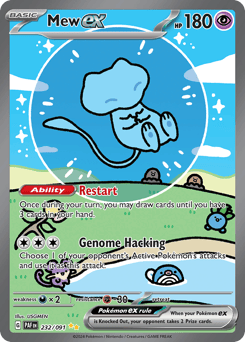
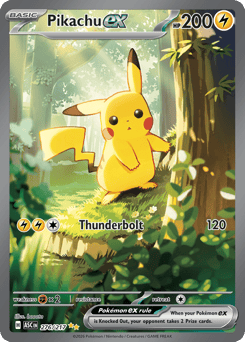
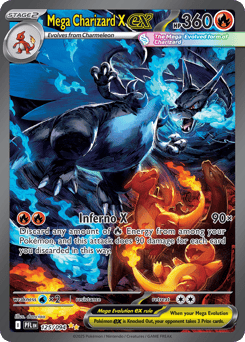
Notice the names: Umbreon, Mew, Pikachu, Charizard. The same handful of Pokémon top almost every set. The Umbreon ex, Pikachu ex and Charizard ex pages show every version of each, so you can see where the SIR sits against the rest.
Should you grade an SIR?
Often, yes, if it's one of the valuable ones and it's clean. The gap between raw and PSA 10 on top SIRs is large, and a slab protects a card whose edges chip easily. Check centering and the back edges first; full arts with white back-edge nicks rarely get a 10. The PSA grading scale explainer covers what graders look for, and is it worth grading your Pokémon cards helps you decide card by card. For a cheap SIR, grading usually costs more than it adds.
SIRs are also a favorite target for counterfeiters. Real ones have a fine texture you can feel and a soft, even shine. If a "bargain" SIR looks glossy and flat, compare it against our guide on how to tell if Pokémon cards are fake before you pay.