The short answer
These are the things that make a Pokémon card valuable, roughly in order of how much they usually move the price:
- Condition and grade. The same card can sell for ten or twenty times more in a PSA 10 slab than raw with a soft corner.
- Rarity. Higher tiers are printed in smaller numbers. The rarity symbol sets the ceiling for most modern cards.
- The Pokémon on it. Charizard, Pikachu, Umbreon and the rest of the fan favorites sell for far more than equally rare cards of less loved Pokémon.
- Artwork. Alternate-art and full-scene illustrations now outsell plainer cards of the same rarity.
- Age and set. Cards from 1999 to 2003 were printed for a much smaller audience, and far fewer survived in good shape.
- Edition and printing. 1st Edition and Shadowless copies of early Wizards cards are worth a multiple of the Unlimited print.
- Errors. A small number of documented, repeatable misprints carry a premium.
- Demand from players and the wider hobby. A card that sees tournament play, or a set that suddenly gets popular, can climb fast.
- Authenticity and language. A fake is worth nothing, and English and Japanese copies of the same card often sell at different prices.
Rarity: the symbol sets the ceiling
Every card from a booster pack carries a small rarity symbol next to its collector number. A circle is common, a diamond uncommon, a star rare, and since 2023 a run of black, silver and gold stars marks the higher tiers. Our Pokémon card rarity chart lists every symbol, and the guide on how to tell if a Pokémon card is rare shows where to look on your own cards.
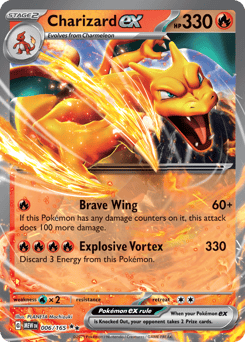
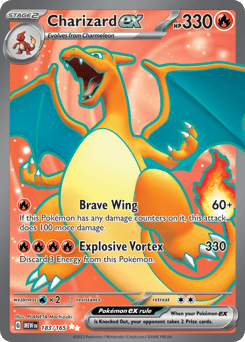
Rarity matters because the higher tiers really are harder to pull. In a typical modern pack you get several commons and uncommons, and only one or two slots that can hold anything better. So the same Pokémon printed at three different rarities in the same set will sell at three very different prices. Charizard ex from the 151 set is the cleanest example: the Double Rare Charizard ex sells for about $10.02, the full-art Ultra Rare for about $46.09, and the Special Illustration Rare for about $414.
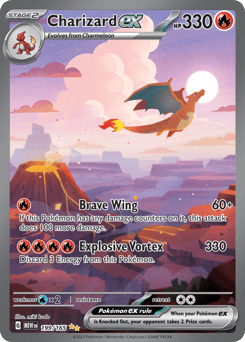
Rarity is a ceiling, though, not a price. Plenty of high-rarity cards are cheap because nobody is chasing the Pokémon on them, and some commons from 1999 sell for real money in top grades. Rare and valuable overlap a lot, but they are not the same thing. There's a whole guide on rare Pokémon cards that are worth money if you want the list.
Condition and grade: the biggest multiplier
Condition is where most of the money is, and it's the factor people underrate when they pull an old binder out of the closet. A card that has been handled, shuffled or stored loose will have whitening on the back edges, soft corners and scratches on the holo. Each of those knocks the price down, and on vintage holos the drop is steep.
Grading companies put a number on condition. PSA grades from 1 to 10, and a PSA 10 Gem Mint card has to be close to flawless, with centering within roughly 55/45 on the front according to PSA's grading standards. The gap between grades is not linear. Look at Umbreon ex (Prismatic Evolutions): ungraded it sells for about $1,528, and a PSA 10 goes for about $5,575. On older cards the jump from 9 to 10 is often several times larger again, because far fewer vintage copies survived clean enough to earn the top grade. The PSA 10 guide goes through how that premium changes by era, and our PSA grading scale explainer covers what each number means.
Two practical points. First, prices you see for "raw" cards assume near-mint condition, so a played copy of a card will sell for less than the headline number (our pricing notes explain how that works). Second, grading costs money and time, so it only pays on cards where the graded premium is bigger than the fee. Is it worth grading your Pokémon cards runs the numbers, and the fee table is in the PSA grading cost guide.
The Pokémon on the card
Two cards from the same set, at the same rarity, pulled at the same odds, can sell hundreds of dollars apart. The only difference is the Pokémon.
Prismatic Evolutions is the textbook case. Every Eeveelution got a Special Illustration Rare, all at the same rarity. Umbreon ex sells for about $1,528 while Leafeon ex sells for about $320. Same set, same tier, pulled from the same packs. Umbreon simply has more fans.
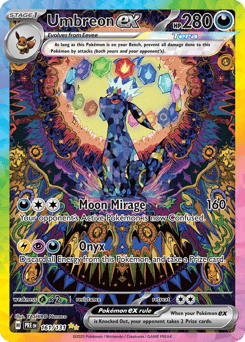
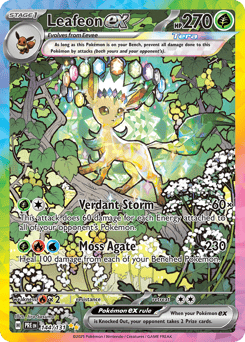
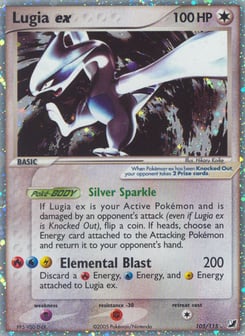
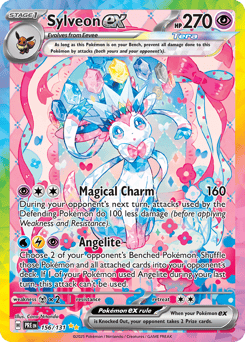
The names that carry a premium are the ones you'd guess: Charizard, Pikachu, Umbreon and the other Eeveelutions, Mew and Mewtwo, Gengar, Lugia, Rayquaza. If you're sorting a pile, pull those first. Charizard alone has its own economy; the most valuable Charizard cards ranking shows how far it runs, from 1999 holos to modern Charizard ex cards.
Artwork
Collectors pay for art. Since about 2021 the biggest modern prices have gone to cards with a full scene rather than a Pokémon floating on a textured background, and that preference has only grown.
Evolving Skies shows it plainly. The regular Umbreon VMAX sells for about $28.84. The rainbow secret rare version is technically a higher rarity and sells for about $76.46. The alternate-art Umbreon VMAX, the one collectors call Moonbreon, sells for about $2,200. The rainbow card is rarer on paper than the regular one and the alt art is only a step above it, yet the price gap between them is enormous. That's art, not the symbol.
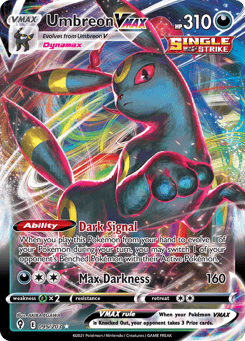
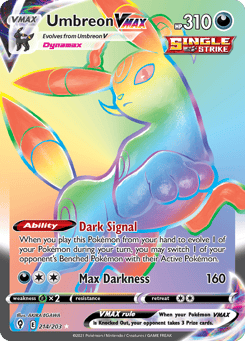
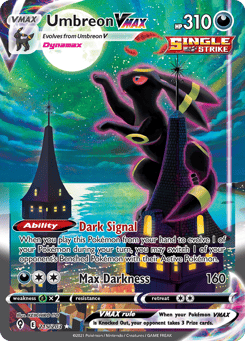
The same thing drives the Special Illustration Rare tier today. If you want to know why those cards dominate modern prices, our explainer on what an SIR card is goes through it.
Age, set and print run
Old cards are not valuable because they're old. They're valuable because fewer of them exist in good condition and the people who grew up with them now have money.
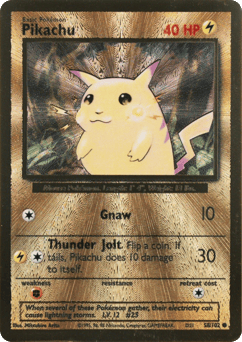
The Wizards of the Coast era, from the 1999 Base Set to 2003, sits at the top of most price lists. Those cards were printed for a hobby that was smaller than it is now, they were played with on school playgrounds, and most copies were never sleeved. The ones that survived clean are scarce. Lugia (Neo Genesis) is a good example: an unremarkable holo rarity for its day, it now sells for about $598 ungraded. Even a common can do well: Pikachu (Base Set) sells for about $10.90 raw, which is a lot for a common. The Wizards era page lists every set from that stretch.
There are no official print-run figures for most sets, so "print run" in the hobby is usually inferred from how often a card turns up and how many have been graded. The broad pattern is clear enough, though. Sets from the 2016 to 2023 boom were printed in very large quantities, and most of their commons and uncommons will stay bulk for good. If you want to see how the eras compare, old Pokémon cards worth money and are new Pokémon cards worth anything cover each side.
Edition and printing
On the earliest English sets, the same card was printed more than once, and collectors price each run separately.
- 1st Edition. The first print run of Base Set through Neo Destiny carries a small black "Edition 1" stamp at the left edge below the artwork. It's the most desirable version of any Wizards card. See the full 1st Edition guide.
- Shadowless. Base Set only. These copies lack the drop shadow on the right side of the art box and have a thinner HP font. They sit between 1st Edition and Unlimited in value. The Shadowless guide shows how to spot one.
- Unlimited. The later, larger print run of the same cards.
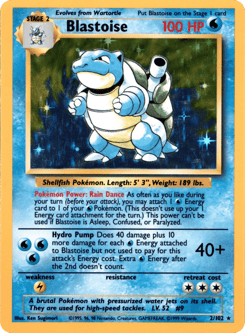
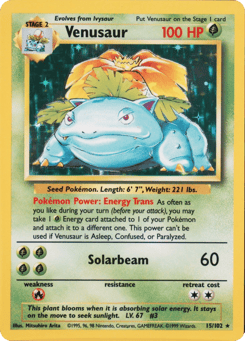
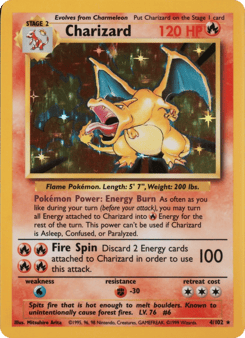
Blastoise (Base Set) sells for about $158 as an Unlimited copy in average condition. The 1st Edition Blastoise is a different card as far as the market is concerned, and a clean one sells for many times that. The same split applies to Venusaur (Base Set), Charizard (Base Set) and every other Base Set card. If you have old holos, check the left edge under the art before you do anything else. The side-by-side in 1st Edition vs Shadowless vs Unlimited makes the differences obvious.
Errors and misprints
A small group of error cards sell at a premium, but far fewer than online listings suggest. The ones that matter are errors that repeat in the same place across many copies and that were corrected partway through a print run, so the error version or the corrected version is genuinely scarce. Blaine's Charizard (Gym Challenge) is a famous case: early prints show a Fighting Energy symbol in the Roaring Flames attack instead of Fire, and the corrected version from late in the Unlimited run is the scarcer one. Dark Dragonite (Team Rocket) is another: some copies were printed without the holo foil, so they look like the non-holo Dark Dragonite apart from the card number. One-off flukes like a random ink spot or an off-center cut usually add little or nothing. The full list, with what the grading companies recognize, is in Pokémon error cards worth money.
Demand from players and the wider hobby
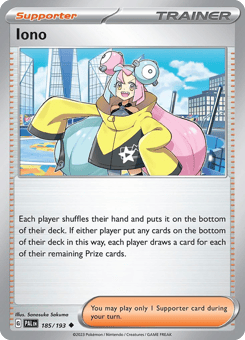
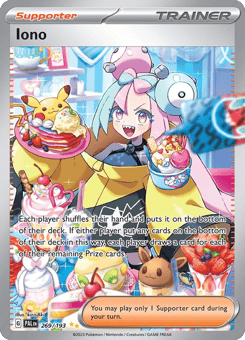
Most of the value in Pokémon cards comes from collectors, but players matter at the margins. A Trainer card that every competitive deck runs will hold a higher price while it's legal, and a popular Supporter can get an expensive full-art or illustration version. Supporters named after popular characters get the same treatment as Pokémon: the Special Illustration Rare Iono from Paldea Evolved sells for about $60.18, while the regular Iono from the same set is pocket change. There's more on this in trainer cards worth money.
Hype moves prices too. New sets often spike at release and settle a few weeks later. A card featured in a big video, a movie tie-in or a new game can jump overnight. The market page shows which cards are moving this week, and top sales shows what actually sold for the most recently. Short-term spikes are the least reliable kind of value, so don't price your collection off a week-old peak.
Authenticity and language
A counterfeit card is worth nothing, however convincing it looks. Fakes are common for exactly the cards people want most, so check anything valuable against our guide on how to tell if Pokémon cards are fake before you price it or buy it.
Language changes the price too. Japanese cards often come out first, with different print quality and sometimes exclusive art, and some sell for more than their English versions while others sell for less. Are Japanese Pokémon cards worth more goes card by card. Ultraball tracks English cards only, so every price on this page is for the English print.
What does not make a card valuable
A few things look like they should matter and mostly don't:
- Being shiny. Reverse holos and plain holos exist for thousands of cards, and most are worth very little. Our explainer on reverse holo cards covers the handful of exceptions.
- High HP or big attack numbers. Nobody pays for stats. They pay for the Pokémon and the scarcity.
- The word "rare" in a listing title. Asking prices are what a seller hopes for. Only sold prices tell you what a card is worth.
- Being from the 90s. Most 1999 commons and uncommons are still worth pocket change unless they're 1st Edition or in gem condition.
- A "1st Edition" card from a modern set. English 1st Edition stamps stopped after Neo Destiny, so a modern card with one is either a different kind of stamp or a fake.
How to put a number on your card
Once you know which of these factors your card has, the next step is simple: look up what it has actually sold for. Search the card by name on Ultraball (the search box at the top of every page) and check that the set, number and printing match yours. The card page shows the ungraded price and the price for each grade, all from recorded sold listings. If you're working through a stack, the price checker guide shows the quickest way, and how much are my Pokémon cards worth covers what to do with a whole collection.