The eras that matter
"Old" covers a lot of ground. For value purposes, split it like this:
- Wizards of the Coast (1999 to 2003). Wizards held the English license for these years, from Base Set to Skyridge. This is what most people mean by vintage, and it's where most of the money is. The Wizards era page lists every set.
- The EX era (2003 to 2007). Less nostalgia than the early sets, often more money, and the home of Gold Star cards. See the EX era.
- Diamond & Pearl through HeartGold SoulSilver (2007 to 2011). LV.X cards, Prime and LEGEND cards. Mostly modest, with some strong exceptions. See Diamond & Pearl, Platinum and HeartGold & SoulSilver.
The numbers from our own sales records back up that order. About one card in eight from the Wizards era sells for $100 or more in near-mint condition, about one in nine from the EX era, and about one in twenty from the Diamond & Pearl to HeartGold SoulSilver years. Among Wizards-era holo rares alone, roughly half sell for $100 or more near mint.
Base Set: the cards everyone checks first
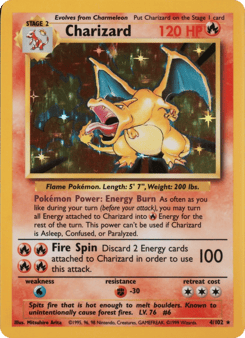
Base Set from 1999 has 16 holo rares, and they're the cards most people find first in an old binder. Charizard (Base Set) is the famous one, and still the first card anyone asks about; the most valuable Charizard cards ranking shows how it compares with the later ones. A PSA 9 copy of the unlimited printing sells for about $3,950, and the raw price depends heavily on the printing and condition, so check the card page before you get attached to a number.
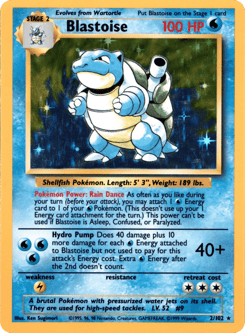
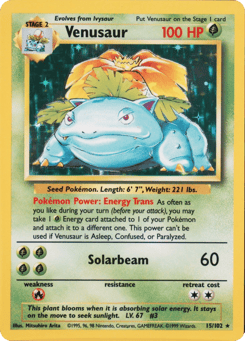
The other holos are worth money too, less spectacularly. Blastoise (Base Set) sells for about $158 raw in near mint, Machamp (Base Set) for about $72.91, Alakazam (Base Set) for about $55.33 and Raichu (Base Set) for about $51.77. Venusaur (Base Set) rounds out the starter trio. Full rankings are on most valuable Base Set cards and the most valuable cards of 1999.
Base Set was printed in huge numbers, so the commons and uncommons are plentiful. They're still not worthless in clean condition, and a common in PSA 10 can sell for surprising money because so few survived untouched. Charmander (Base Set) sells for about $100 as a PSA 9.
1st Edition and Shadowless
Before you price any Base Set holo, work out which printing it is. There are three.
- 1st Edition: a small black "Edition 1" stamp just below the bottom left corner of the art box.
- Shadowless: no stamp, and no drop shadow along the right edge of the art box. The copyright line at the bottom reads ©1995, 96, 98, 99.
- Unlimited: no stamp, a visible shadow to the right of the art box, and a copyright line ending in 98.
1st Edition copies sell for the most, Shadowless next, unlimited least, and the gaps are large. Our card pages price each printing separately: see the 1st Edition Charizard, the Shadowless Charizard and the 1st Edition Blastoise. The details are in the 1st Edition guide, the Shadowless guide and 1st Edition vs Shadowless vs Unlimited.
Two traps. Shadowless only exists for Base Set, so there's no such thing as a Shadowless Jungle card. And 1st Edition stamps stopped after Neo Destiny in 2002; Base Set 2 never had them at all. A stamped card from a later set is a fake, and how to tell if Pokémon cards are fake covers the other tells.
Jungle, Fossil, Team Rocket and the Gym sets
The sets that followed Base Set in 1999 and 2000 work the same way: holos carry the value, and 1st Edition copies carry the most.
From Jungle, Kangaskhan (Jungle) sells for about $12.51 unlimited. From Fossil, Gengar (Fossil) sells for about $170. Team Rocket introduced the Dark Pokémon, and Dark Charizard (Team Rocket) is the one people look for; a PSA 10 sells for about $10,800.
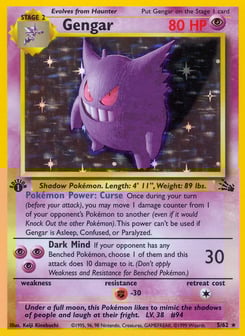
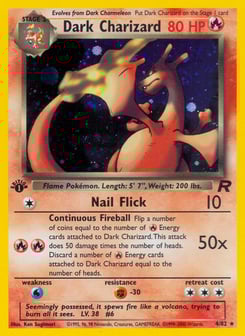
The two Gym sets from 2000 put Gym Leaders' names on their Pokémon. Brock's Rhydon (Gym Heroes) from Gym Heroes sells for about $32.34, and Blaine's Charizard (Gym Challenge) from Gym Challenge sells for about $582.
Neo and the Shining cards
The four Neo sets (2000 to 2002) brought in the second generation of Pokémon, and their holos are some of the most valuable Wizards cards. Lugia (Neo Genesis) from Neo Genesis sells for about $598 unlimited, and far more in 1st Edition. Lugia is to the Neo sets what Charizard is to Base Set.
Neo Revelation and Neo Destiny also hid the first Shining Pokémon, shiny-colored versions numbered above the set total. Shining Magikarp (Neo Revelation) sells for about $536 and Shining Tyranitar (Neo Destiny) for about $1,061. If you have one, sleeve it now.
The last Wizards sets: e-Card
Expedition, Aquapolis and Skyridge (2002 and 2003) are the surprise of most old collections. You can spot them by the strip of e-Reader dot code along one edge. They turn up far less often than Base Set, and collectors pay for that.
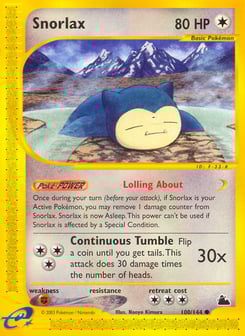
Their holos are among the most valuable of any era. Umbreon (Skyridge) sells for about $4,653 ungraded and Gyarados (Skyridge) for about $2,091. Even commons can be worth real money: Snorlax (Skyridge) sells for about $151. Check every card from these sets individually. The most valuable Skyridge cards list is a good place to start.
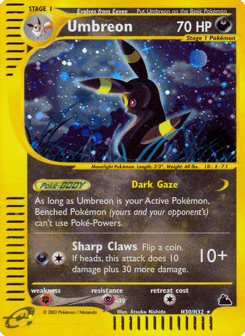
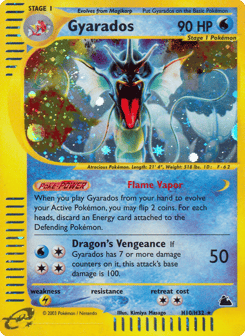
After Wizards: Gold Stars, ex and LV.X
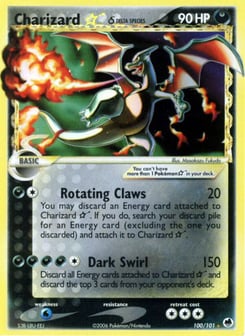
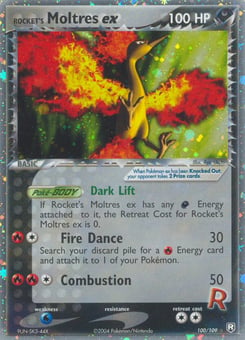
The EX-era sets from 2003 to 2007 don't get the nostalgia of Base Set, but plenty of their cards sell for more. The headline is the Gold Star cards, marked with a star after the name. Charizard ☆ δ (Dragon Frontiers) from Dragon Frontiers sells for about $6,351 ungraded. In August 2026 a Gold Star Rayquaza from EX Deoxys in CGC Pristine 10 sold for $1,020,000, the first English Pokémon card to pass a million dollars. Gold Stars are the clearest case of rarity and value lining up; rare Pokémon cards worth money shows how often other rarities do. The era.s holo ex cards are worth checking too: Rocket's Moltres ex (Team Rocket Returns) sells for about $553.
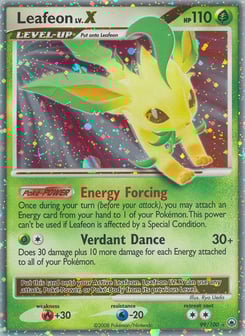
From 2007 to 2009, LV.X cards were the chase in Diamond & Pearl and Platinum. Leafeon LV.X (Majestic Dawn) from Majestic Dawn sells for about $781.
Old cards that usually aren't worth much
Not everything old is valuable. These are the cards that make up most of a 90s shoebox, and it's better to know now.
- Played unlimited commons and uncommons. A near-mint Base Set common is worth a dollar or a few; Gastly (Base Set) sells for about $1.21. A played one with soft corners and a pocket crease is worth less than that. Across every Wizards set, about seven in ten commons and uncommons sell for under $5 even in near mint.
- Heavily played holos. Creases, peeling foil and bent corners take most of the value out of even the good cards.
- Reprints. Base Set 2 (2000) and Legendary Collection (2002) reprinted earlier Wizards cards with their own set symbols. Some are still worth money, such as the Charizard (Base Set 2) at about $400, but they're not the originals and sell for less.
- Trainer and Energy cards from the early sets, unless 1st Edition or in gem condition.
- Non-card collectibles. Old tins, sticker books and toy-store promos outside the card game are a different market, and we don't price them.
How to value an old binder
- Separate the holos and anything with a star or "ex" after the name. Those go first.
- Check every Base Set holo for the 1st Edition stamp and the shadow. Then the copyright line.
- Pull out every e-Card and Neo card, whatever the rarity.
- Look up each card by name and number in the search box on any page, on the right printing. How much are my Pokémon cards worth explains how to read the price and adjust for condition.
- Be honest about condition. Prices on Ultraball are for near-mint copies. Look at the back edges and corners under a bright light before deciding what yours are.
- Only then think about grading. A clean, valuable vintage holo can be worth sending to PSA; a played one almost never is. PSA grading cost shows where the upside is biggest.
For a broader, era-by-era list including modern cards, see Pokémon cards worth money, and how to tell if Pokémon cards are worth money has a quicker checklist for mixed collections.